Description Of
Material Guide for HCL Storage Tanks: Selecting HDPE vs. FRP vs. Rubber-Lined Steel
Choosing the right material for an HCL storage tank is very important for industrial safety and long-term performance. Hydrochloric acid is highly corrosive, so the storage tank material must be strong, durable, and chemical-resistant.
HDPE, FRP, and rubber-lined steel are some of the most commonly used materials for HCL storage tank applications. Each material has different benefits depending on storage capacity, operating conditions, and industrial requirements. HDPE is one of the most popular choices for an HCL storage tank because it offers excellent resistance against chemicals and corrosion.
HDPE tanks are lightweight, easy to install, and require low maintenance. These tanks are suitable for small to medium storage capacities and are commonly used in chemical plants and water treatment industries. Many industries prefer HDPE because it is cost-effective and provides reliable performance.
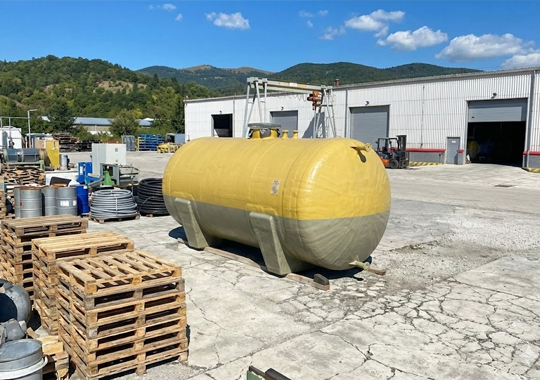
FRP is another trusted material used for HCL storage tank manufacturing. FRP tanks are strong, durable, and suitable for both indoor and outdoor industrial use. These tanks can handle harsh environmental conditions and large storage capacities.
FRP material also provides excellent corrosion resistance and a long service life, making it suitable for demanding industrial applications. Rubber-lined steel is mainly used for heavy-duty HCL storage tank applications where extra strength is needed.
In this system, the steel body provides structural support while the rubber lining protects the tank from acid corrosion. These tanks are suitable for large industrial operations and high-capacity chemical storage.
Before selecting an HCL storage tank material, industries should consider chemical concentration, tank size, temperature conditions, maintenance requirements, and installation environment. Choosing the right material helps improve safety, reduce maintenance costs, and increase tank durability for long-term industrial use.
The HCl Corrosive Challenge
Hydrochloric acid is one of the most corrosive chemicals used in many industries. The biggest HCl corrosive challenge is protecting storage tanks, pipelines, and industrial equipment from damage caused by continuous acid exposure.
If the wrong material is used, the acid can quickly damage surfaces, cause leakage, reduce equipment life, and create serious safety risks. Industries such as chemical processing, water treatment, electroplating, and pharmaceuticals regularly handle hydrochloric acid.
Because of this, selecting the right HCL storage tank material becomes very important for safe and long-term use. Materials like HDPE, FRP, and rubber-lined steel are commonly used to handle the HCl corrosive challenge because they provide strong chemical resistance and reliable protection.
Proper tank design, regular maintenance, and corrosion-resistant materials help industries safely manage hydrochloric acid storage. Choosing the right solution not only improves safety but also reduces maintenance costs and increases equipment durability for long-term industrial performance.
The HCl Corrosive Challenge
Hydrochloric acid is one of the most corrosive chemicals used in many industries. The biggest HCl corrosive challenge is protecting storage tanks, pipelines, and industrial equipment from damage caused by continuous acid exposure.
If the wrong material is used, the acid can quickly damage surfaces, cause leakage, reduce equipment life, and create serious safety risks. Industries such as chemical processing, water treatment, electroplating, and pharmaceuticals regularly handle hydrochloric acid.
Because of this, selecting the right HCL storage tank material becomes very important for safe and long-term use. Materials like HDPE, FRP, and rubber-lined steel are commonly used to handle the HCl corrosive challenge because they provide strong chemical resistance and reliable protection.
High-Density Polyethylene (HDPE) & XLPE for HCL Storage Tank Solutions
High-Density Polyethylene (HDPE) and Cross-Linked Polyethylene (XLPE) are widely used materials for HCL storage tank applications because they offer strong chemical resistance and cost-effective performance.
These materials are ideal for industries looking for lightweight and seamless storage solutions for hydrochloric acid and other corrosive chemicals. An HCL storage tank made from HDPE or XLPE provides excellent protection against corrosion, leakage, and chemical damage.
These tanks are commonly used in chemical plants, water treatment facilities, pharmaceutical industries, and industrial processing units. One of the major advantages of HDPE and XLPE tanks is their lightweight design, which makes transportation and installation easier compared to metal tanks.
These materials are also known for their seamless construction, which helps reduce the risk of cracks and leakage. HDPE and XLPE tanks are suitable for storage capacities up to 12,500 gallons and require very low maintenance. Many industries prefer these tanks because they provide a long service life at an affordable cost.
Fiberglass Reinforced Plastic (FRP) for HCL Storage Tank Applications
Fiberglass Reinforced Plastic (FRP) is one of the most trusted materials used for HCL storage tank manufacturing because it offers excellent strength, durability, and corrosion resistance.
FRP is specially designed for industries that need reliable chemical storage with strong structural performance and lightweight construction. An HCL storage tank made from FRP provides a high strength-to-weight ratio, making it suitable for both indoor and outdoor industrial applications.
These tanks can easily handle harsh chemical environments and changing weather conditions without losing strength or performance. Many industries choose FRP because it is strong like metal but much lighter in weight.
FRP is also ideal for custom layouts and large industrial storage systems. It can be manufactured in different sizes, shapes, and capacities according to industrial requirements. This flexibility makes FRP a preferred material for chemical plants, pharmaceutical industries, water treatment facilities, and industrial processing units.
Another advantage of using FRP for an HCL storage tank is its low maintenance requirement and long service life. The material helps reduce corrosion problems, improves safety, and supports reliable long-term chemical storage for different industrial applications.
Rubber-Lined Carbon Steel for Large HCL Storage Tank Systems
Rubber-lined carbon steel is a trusted choice for large HCL storage tank applications in heavy industries. This material combination is widely used for bulk chemical storage because it offers strong structural support along with reliable corrosion protection.
It is commonly preferred for industrial storage systems exceeding 15,000 gallons. In this type of HCL storage tank, the carbon steel body provides high mechanical strength and durability, while the inner rubber lining protects the tank from hydrochloric acid corrosion.
This protective lining helps prevent chemical damage, leakage, and surface wear during long-term industrial use. Rubber-lined carbon steel tanks are commonly used in chemical plants, mining industries, steel processing units, water treatment facilities, and large manufacturing industries.
These tanks are designed to handle harsh operating conditions, heavy-duty applications, and large storage capacities safely. Another advantage of using rubber-lined carbon steel for an HCL storage tank is its long service life and dependable performance.
The strong outer structure can handle pressure and heavy loads, while the rubber lining improves chemical resistance and safety. For industries requiring large-capacity acid storage with strong structural performance, rubber-lined carbon steel remains one of the most reliable and practical solutions available.
Enquire Now