Description Of
PPFRP Tank: Complete Guide for Chemical Storage Solutions
A PPFRP Tank is one of the best choices for storing chemicals safely in different industries. It is made with a combination of Polypropylene (PP) and Fiber Reinforced Plastic (FRP).
The inner PP layer protects the tank from harmful chemicals, while the outer FRP layer gives it extra strength and long-lasting durability. This special design makes a PPFRP Tank reliable for handling acids, alkalis, and other corrosive liquids.
Many industries use a PPFRP Tank because it is lightweight, rust-free, and requires very little maintenance. It performs well even in tough working conditions and has a long service life. Compared to traditional metal tanks, it does not corrode easily, which helps reduce repair and replacement costs.
A PPFRP Tank is also easy to install and available in different sizes to meet various storage needs. A PPFRP Tank is widely used in chemical plants, pharmaceutical industries, water treatment units, electroplating industries, fertilizer plants, and food processing facilities.
It provides safe storage while maintaining the quality of the stored chemicals. Its leak-resistant design helps improve workplace safety and protects the environment from accidental spills. When selecting a PPFRP Tank, always consider the type of chemical, storage capacity, operating temperature, and installation space.
Choosing the right tank ensures better performance and a longer service life. Regular inspection and proper maintenance can further increase its durability.
What is a PPFRP Tank?
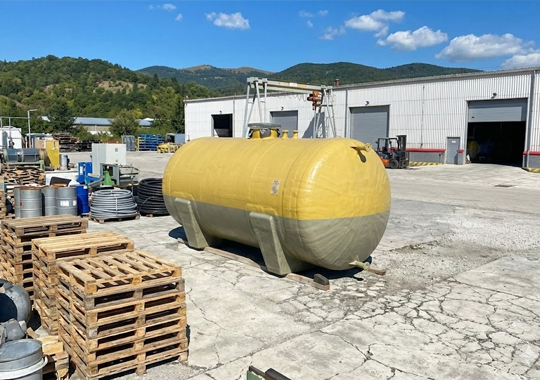
A PPFRP Tank is a specially designed storage tank used for storing chemicals, acids, alkalis, and other corrosive liquids. It is made by combining two strong materials: Polypropylene (PP) on the inside and Fiber Reinforced Plastic (FRP) on the outside.
The PP layer provides excellent resistance against chemicals, while the FRP layer adds strength and protects the tank from external damage. This unique combination makes a PPFRP Tank strong, durable, and reliable for industrial use.
A PPFRP Tank is widely used in chemical plants, pharmaceutical industries, water treatment facilities, electroplating units, and many other manufacturing sectors. It is preferred because it does not rust, is lightweight, and requires very little maintenance.
Unlike metal tanks, it can handle harsh chemicals without getting damaged, making it a safer and more cost-effective storage solution. Another advantage of a PPFRP Tank is its long service life. It is available in different shapes and capacities to meet various industrial storage requirements.
With proper installation and regular maintenance, a PPFRP Tank can provide dependable performance for many years. This makes it an ideal choice for businesses looking for safe, efficient, and long-lasting chemical storage solutions.
How is a PPFRP Tank Made?
A PPFRP Tank is made by combining two high-quality materials that provide excellent strength and chemical resistance. The manufacturing process begins with the inner layer, which is made from Polypropylene (PP).
This layer comes in direct contact with the stored chemical and protects the tank from corrosion and chemical damage. After the PP lining is prepared, the outer layer is built using Fiber Reinforced Plastic (FRP).
Glass fiber and resin are carefully applied over the PP layer through a winding or lamination process. This FRP layer gives the PPFRP Tank high mechanical strength and helps it handle heavy loads, pressure, and outdoor conditions.
Once both layers are completed, the tank is assembled with the required fittings, nozzles, and supports. Every PPFRP Tank is then tested for leaks, strength, and quality before delivery. These tests ensure the tank is safe and ready for industrial use.
The finished PPFRP Tank is lightweight, durable, and capable of storing a wide range of corrosive chemicals. Because of its strong construction and long service life, it is widely used in chemical plants, water treatment systems, pharmaceutical industries, and many other industrial applications where safe chemical storage is important.
The PP (Polypropylene) Inner Liner
The PP (Polypropylene) Inner Liner is the most important part of a PPFRP Tank because it comes in direct contact with the stored liquid. It is made from high-quality polypropylene, a material known for its excellent chemical resistance. This inner layer protects the tank from acids, alkalis, and many other corrosive chemicals, helping the tank perform safely for a long time.
A PP (Polypropylene) Inner Liner also prevents the stored chemical from reacting with the outer structure of the tank. This helps maintain the quality of the liquid while reducing the risk of leaks or damage. Since polypropylene does not rust or corrode, it is a reliable material for industries that store aggressive chemicals.
Another advantage of the PP (Polypropylene) Inner Liner is its smooth surface. It reduces the buildup of chemical deposits, making the tank easier to clean and maintain. This feature also improves hygiene in industries where clean storage is important.
Because of its durability, chemical resistance, and long service life, the PP (Polypropylene) Inner Liner plays a key role in making a PPFRP Tank a safe and dependable solution for chemical storage across many industrial applications.
The FRP (Fiber-Reinforced Plastic) Outer Shell
The FRP (Fiber-Reinforced Plastic) Outer Shell gives a PPFRP Tank the strength it needs for safe and long-lasting performance. It is made by combining glass fiber with high-quality resin, creating a strong outer layer that supports the entire tank.
A FRP (Fiber-Reinforced Plastic) Outer Shell is designed to handle heavy loads, changing weather conditions, and daily industrial use. It does not rust like metal, making it a better choice for industries that need reliable chemical storage. This outer layer also helps the tank keep its shape even when it stores large amounts of liquid.
Another benefit of the FRP (Fiber-Reinforced Plastic) Outer Shell is its lightweight design. It makes transportation and installation easier without reducing the tank's strength. The material also requires very little maintenance, helping businesses save time and repair costs.
Because of its durability, corrosion resistance, and long service life, the FRP (Fiber-Reinforced Plastic) Outer Shell is an essential part of every PPFRP Tank, providing extra protection and dependable performance in demanding industrial environments.
Key Benefits of PPFRP Tanks
A PPFRP Tank is a trusted solution for storing chemicals because it offers strength, safety, and long-lasting performance. It is designed to handle corrosive liquids while reducing maintenance and operating costs. This makes it a popular choice for many industries.
One of the biggest benefits of a PPFRP Tank is its excellent chemical resistance. It can safely store acids, alkalis, and other aggressive liquids without getting damaged. The tank is also corrosion-resistant, so it does not rust like metal tanks. This increases its lifespan and reduces the need for frequent repairs.
Another advantage of a PPFRP Tank is its high strength with a lightweight design. It is easy to transport, install, and maintain, making it a practical option for industrial applications. The tank also performs well in different weather conditions and can withstand daily industrial use.
A PPFRP Tank is available in different sizes and designs to meet specific storage requirements. It offers leak-resistant performance, helping improve workplace safety and protect the environment from chemical spills.
With its durability, low maintenance, and reliable performance, a PPFRP Tank is a smart investment for businesses that need a safe, cost-effective, and long-lasting chemical storage solution.
Excellent Chemical Corrosion Resistance
One of the biggest advantages of a PPFRP Tank is its excellent chemical corrosion resistance. It is specially designed to store strong acids, alkalis, solvents, and many other corrosive chemicals without getting damaged. This makes it a dependable choice for industries that require safe and long-term chemical storage.
The inner polypropylene (PP) layer of a PPFRP Tank acts as a protective barrier against chemical reactions. It prevents the stored liquid from damaging the tank, while the outer Fiber-Reinforced Plastic (FRP) layer adds extra strength and durability. Together, these layers help the tank perform well even in demanding industrial environments.
Because of its high resistance to corrosion, a PPFRP Tank does not rust or weaken like traditional metal tanks. This reduces maintenance costs, lowers the risk of leaks, and increases the overall service life of the tank. It also helps maintain the quality and purity of the stored chemicals.
A PPFRP Tank is widely used in chemical processing plants, pharmaceutical industries, water treatment facilities, and electroplating units where corrosion resistance is essential. Its strong construction and reliable performance make it a safe and cost-effective solution for handling aggressive chemicals over many years.
Lightweight and Easy to Install
A PPFRP Tank is well known for its lightweight design, making it easy to transport, handle, and install. Even though it is lighter than many traditional storage tanks, it offers excellent strength and durability. This combination helps industries save both time and installation costs.
The lightweight construction of a PPFRP Tank reduces the need for heavy lifting equipment during installation. It can be placed in different industrial locations with less effort, making the setup process faster and more convenient. This is especially helpful for projects where quick installation is important.
Another benefit of a PPFRP Tank is that its strong structure remains stable after installation. It can safely store different types of chemicals without losing its shape or performance. The tank is also easy to move or reposition if industrial requirements change in the future.
Because a PPFRP Tank is simple to install and requires very little maintenance, businesses can reduce labor costs and minimize downtime. Its lightweight yet durable construction makes it a practical choice for chemical plants, water treatment facilities, pharmaceutical industries, and many other industrial applications that need safe and efficient chemical storage.
High Temperature Resistance (up to 110°C)
A PPFRP Tank is designed to perform well even in high-temperature industrial environments. Depending on the application and material specifications, it can handle temperatures of up to 110°C, making it suitable for storing many heated chemicals and industrial liquids.
The inner polypropylene (PP) layer of a PPFRP Tank provides excellent chemical protection, while the outer Fiber-Reinforced Plastic (FRP) layer adds structural strength. Together, these layers help the tank resist heat, pressure, and harsh working conditions without losing its durability.
A PPFRP Tank with high temperature resistance is commonly used in chemical processing plants, pharmaceutical industries, water treatment systems, and other manufacturing units where warm or hot liquids need to be stored safely. It reduces the risk of damage caused by heat and supports smooth industrial operations.
Another advantage of a PPFRP Tank is its long service life. Even when used in demanding environments, it requires minimal maintenance and continues to deliver reliable performance. With its ability to withstand temperatures up to 110°C, a PPFRP Tank is a dependable and cost-effective solution for industries that need safe and durable chemical storage.
Low Maintenance & Long Lifespan
A PPFRP Tank is a reliable choice for industries because it requires very little maintenance and offers a long service life. It is built with high-quality polypropylene (PP) and Fiber-Reinforced Plastic (FRP), making it strong enough to handle tough industrial conditions without frequent repairs.
One of the main reasons a PPFRP Tank lasts for many years is its excellent resistance to corrosion, chemicals, and moisture. Unlike metal tanks, it does not rust or weaken over time. This helps reduce maintenance costs and keeps the tank working efficiently for a longer period.
The smooth inner surface of a PPFRP Tank also makes cleaning easier. It prevents the buildup of chemical deposits, allowing regular maintenance to be completed quickly. With simple inspections and proper care, the tank can continue to perform safely and effectively.
A PPFRP Tank is widely used in chemical plants, water treatment facilities, pharmaceutical industries, and other industrial sectors where dependable storage is important.
Its durable construction, low maintenance requirements, and long lifespan help businesses save money while ensuring safe chemical storage. This makes a PPFRP Tank a practical and cost-effective investment for long-term industrial use.
Customizable Shapes and Sizes
A PPFRP Tank is available in many shapes and sizes to meet different industrial storage needs. Every industry has different requirements, so these tanks can be designed according to the type of chemical, available space, and required storage capacity.
Whether you need a small tank for a laboratory or a large tank for a manufacturing plant, a PPFRP Tank can be customized to match your application. These tanks can be manufactured in vertical, horizontal, cylindrical, or rectangular designs.
Different nozzles, manholes, supports, and fittings can also be added based on operational requirements. This flexibility makes installation easier and improves the overall efficiency of the storage system.
A PPFRP Tank with a customized design helps businesses use available space effectively while ensuring safe chemical storage. With its strong construction and flexible design options, it is a practical solution for industries looking for reliable and long-lasting storage equipment.
Common Applications of PPFRP Tanks
A PPFRP Tank is widely used in industries that need safe and reliable storage for chemicals and industrial liquids. Its excellent chemical resistance, durability, and long service life make it suitable for many applications. From chemical processing to water treatment, these tanks provide dependable performance in demanding environments.
Chemical Storage (Acids, Alkalis, Solvents)
A PPFRP Tank is an ideal choice for storing acids, alkalis, solvents, and other corrosive chemicals. The inner polypropylene layer protects the tank from chemical reactions, while the FRP outer layer provides strength and durability. This combination helps prevent leaks and extends the life of the tank.
Industries choose a PPFRP Tank because it safely stores aggressive chemicals without rusting or corroding. It also helps maintain the quality of stored liquids, making it a trusted solution for chemical storage applications.
Water & Wastewater Treatment
A PPFRP Tank is widely used in water and wastewater treatment plants for storing treatment chemicals and processed water. It can resist corrosion caused by chemicals used during water purification, making it a dependable storage solution.
The durable construction of a PPFRP Tank ensures long-term performance with minimal maintenance. Its leak-resistant design also supports safe handling of treatment chemicals, helping industries maintain efficient and environmentally friendly operations.
Electroplating & Pickling Tanks
A PPFRP Tank is commonly used in electroplating and pickling industries because it can safely handle highly corrosive acids and chemical solutions. These processes require tanks that remain stable even after continuous exposure to harsh chemicals.
The strong construction of a PPFRP Tank provides excellent protection against corrosion while maintaining its shape and performance. Its long service life and low maintenance make it a cost-effective choice for electroplating and pickling applications.
Industrial Manufacturing
A PPFRP Tank is used in many manufacturing industries for storing chemicals, process liquids, and raw materials. It is suitable for chemical plants, pharmaceutical units, fertilizer factories, textile industries, and food processing facilities.
Because a PPFRP Tank is durable, lightweight, and corrosion-resistant, it performs well under continuous industrial use. Its reliable performance helps businesses improve safety while reducing maintenance and replacement costs.
PPFRP Tank vs Other Tank Materials
A PPFRP Tank offers several advantages compared to traditional storage tanks. It provides better corrosion resistance, longer service life, and lower maintenance. Choosing the right material depends on the type of chemical, operating conditions, and budget.
PPFRP vs Mild Steel
A PPFRP Tank performs much better than a mild steel tank when storing corrosive chemicals. Mild steel tanks can rust over time, especially when exposed to acids and moisture. This often leads to higher maintenance and repair costs.
In comparison, a PPFRP Tank does not rust and offers excellent chemical resistance. It lasts longer and provides safer storage, making it a more reliable option for chemical industries.
PPFRP vs Stainless Steel
A PPFRP Tank is often more suitable than stainless steel for storing highly corrosive chemicals. While stainless steel is strong, certain chemicals can still affect its surface over time.
A PPFRP Tank provides excellent corrosion resistance and usually costs less to maintain. It is also lighter, making transportation and installation easier. This makes it a practical choice for many industrial applications.
PPFRP vs Concrete
A PPFRP Tank is lighter and easier to install than a concrete tank. Concrete tanks are heavy, require more construction work, and may develop cracks over time.
On the other hand, a PPFRP Tank is corrosion-resistant, leak-resistant, and simple to maintain. It also offers better flexibility in design and can be manufactured in different sizes to meet industrial requirements.
PPFRP Tank Price Range
The price of a PPFRP Tank depends on several factors, including tank size, storage capacity, design, thickness, operating temperature, and additional fittings. Custom-made tanks generally cost more than standard models because they are designed for specific industrial applications.
Although the initial investment may vary, a PPFRP Tank offers excellent value over the long term. Its low maintenance requirements, corrosion resistance, and long service life help reduce overall operating costs. Businesses should always choose a high-quality tank that matches their storage needs instead of selecting a product based only on price.
How to Choose the Right PPFRP Tank
Choosing the right PPFRP Tank starts with understanding your storage requirements. Consider the type of chemical, storage capacity, operating temperature, pressure, and installation location before making a decision.
Selecting the correct tank helps improve safety and ensures reliable performance. It is also important to check the quality of materials, manufacturing standards, and the experience of the supplier.
A well-designed PPFRP Tank should provide excellent chemical resistance, strong construction, and a long service life. Investing in the right tank helps reduce maintenance costs and ensures safe chemical storage for many years.
Conclusion
A PPFRP Tank is a smart and reliable solution for industries that need safe and long-lasting chemical storage. Its unique combination of Polypropylene (PP) and Fiber-Reinforced Plastic (FRP) provides excellent chemical resistance, high strength, and outstanding durability.
Whether you need to store acids, alkalis, solvents, or other corrosive liquids, a PPFRP Tank offers dependable performance in demanding industrial environments.
Another major advantage of a PPFRP Tank is its low maintenance requirement and long service life. It does not rust, is lightweight, and can be customized in different sizes and designs to meet specific industrial needs. These features help reduce operating costs while improving safety and storage efficiency.
A PPFRP Tank is widely used in chemical plants, water treatment facilities, pharmaceutical industries, electroplating units, and many other manufacturing sectors. By choosing a high-quality tank from a trusted manufacturer, businesses can ensure safe storage, reliable operation, and long-term value.
If you are looking for a durable, cost-effective, and efficient chemical storage solution, a PPFRP Tank is an excellent choice. It delivers reliable performance, protects valuable chemicals, and supports smooth industrial operations for many years.
Enquire Now