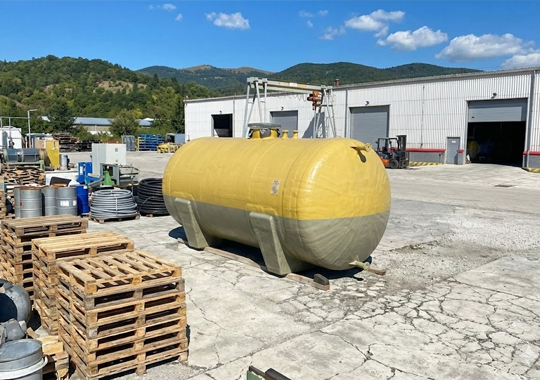
Description Of
FRP Sewage Treatment Plant: A Complete Guide for Beginners
An FRP Sewage Treatment Plant is a modern system that safely treats wastewater before releasing or reusing it. It is widely used in residential buildings, hotels, hospitals, schools, factories, commercial complexes, and industrial areas.
The main purpose of an FRP Sewage Treatment Plant is to remove harmful waste, dirt, and pollutants from sewage water and make it safer for disposal or reuse. FRP stands for Fiberglass Reinforced Plastic, a strong, corrosion-resistant material.
Because of this, an FRP Sewage Treatment Plant is lightweight, durable, rust-free, and easy to install. Many industries and commercial projects prefer FRP because it requires less maintenance and provides a long service life.
The working process of an FRP Sewage Treatment Plant includes collecting sewage water, separating solid waste, biological treatment, filtration, and final water cleaning. During this process, harmful bacteria, suspended particles, and unwanted chemicals are removed from the wastewater.
The treated water can often be reused for gardening, flushing, cooling systems, and other non-drinking purposes. One of the biggest advantages of an FRP Sewage Treatment Plant is its compact design. It can be installed even in limited spaces and works efficiently with low operating costs.
Before choosing an FRP Sewage Treatment Plant, factors like sewage capacity, installation area, maintenance needs, and water reuse requirements should be properly considered. A properly designed system helps improve hygiene, environmental safety, and wastewater management for long-term use.
What is an FRP Sewage Treatment Plant?
An FRP Sewage Treatment Plant is a system used to treat sewage water and wastewater before it is safely discharged or reused. It helps remove harmful waste, dirt, bacteria, and pollutants from sewage water to make it cleaner and safer for the environment.
This system is commonly used in apartments, hotels, hospitals, schools, factories, commercial buildings, and industrial areas. FRP stands for Fiberglass Reinforced Plastic, a strong, corrosion-resistant material.
Because of this, an FRP Sewage Treatment Plant is lightweight, durable, rust-free, and suitable for long-term use. Many industries and residential projects prefer this system because it requires low maintenance and offers reliable performance.
The FRP Sewage Treatment Plant works through different treatment stages like waste separation, biological treatment, filtration, and water cleaning. The treated water can often be reused for gardening, flushing, and other non-drinking purposes. This system helps reduce water pollution and supports better wastewater management.
What Does FRP Mean?
FRP stands for Fiberglass Reinforced Plastic. It is a strong and lightweight material made by combining fiberglass with high-quality plastic resin. FRP is widely used in industrial, commercial, and construction applications because it offers excellent strength, corrosion resistance, and a long service life.
One of the biggest advantages of FRP is that it does not rust like metal. It can easily handle moisture, chemicals, and harsh weather conditions without getting damaged. Because of this, FRP is commonly used for storage tanks, pipelines, cooling towers, sewage treatment plants, chemical processing units, and industrial structures.
FRP is also known for its lightweight design, which makes transportation and installation easier compared to traditional materials. Many industries prefer FRP because it requires low maintenance and provides reliable long-term performance.
Today, FRP is considered one of the most practical materials for applications where durability, corrosion resistance, and strength are important for safe and efficient industrial operations.
How Does an FRP Sewage Treatment Plant Work?
An FRP Sewage Treatment Plant works by cleaning sewage water and removing harmful waste before the water is safely discharged or reused. The system is designed to treat wastewater from homes, hotels, hospitals, factories, apartments, and commercial buildings in a safe and efficient way.
The process in an FRP Sewage Treatment Plant starts with collecting sewage water in a storage chamber. In the first stage, heavy solid waste and unwanted particles settle at the bottom. After that, the wastewater moves to the biological treatment section, where useful bacteria break down harmful organic waste and pollutants.
In the next stage, the water passes through filtration and cleaning processes to remove smaller particles, odor, and impurities. Some FRP Sewage Treatment Plant systems also use aeration technology to improve oxygen flow and support better wastewater treatment. Finally, the treated water is disinfected before disposal or reuse.
The cleaned water from an FRP Sewage Treatment Plant can often be reused for gardening, flushing, cooling systems, and other non-drinking purposes. This system helps reduce water pollution, supports water conservation, and improves wastewater management for residential, commercial, and industrial applications.
Pre-Treatment Stage
The pre-treatment stage is the first and one of the most important processes in an FRP Sewage Treatment Plant. In this stage, large solid waste, unwanted materials, and heavy particles are removed from the sewage water before the main treatment process begins.
When sewage water enters the FRP Sewage Treatment Plant, it first passes through screens or filters. These screens remove plastic, cloth, paper, food waste, and other large materials from the wastewater.
After screening, the water moves into a settling chamber where heavy particles like sand, mud, and solid sludge settle at the bottom. The pre-treatment stage helps improve the efficiency of the entire FRP Sewage Treatment Plant by reducing the load on biological and filtration systems.
A properly designed pre-treatment stage increases the life of the equipment, reduces maintenance problems, and supports better wastewater treatment. This process is very important for safe and effective sewage management in residential, commercial, and industrial applications.
Primary Treatment Stage
The primary treatment stage is an important process in an FRP Sewage Treatment Plant because it helps remove solid waste and suspended particles from sewage water. After the pre-treatment process, the wastewater enters the primary treatment tank, where heavier solids slowly settle at the bottom due to gravity.
Oils, grease, and lighter materials float on the top and are removed separately. This stage in an FRP Sewage Treatment Plant helps reduce the amount of waste before the biological treatment process begins.
The settled waste is called sludge, while the partially cleaned water moves to the next treatment stage for further purification. Removing large solids at this point improves the performance of the entire treatment system.
The primary treatment stage also helps reduce odor, suspended impurities, and excess organic load from the sewage water. This makes the secondary treatment process more effective and supports smoother plant operation.
A properly designed primary treatment system improves wastewater management and helps increase the efficiency of an FRP Sewage Treatment Plant. It also reduces equipment stress, lowers maintenance requirements, and supports better long-term sewage treatment performance for residential, commercial, and industrial applications.
Secondary Treatment Stage
The secondary treatment stage is one of the most important processes in an FRP Sewage Treatment Plant because it helps remove dissolved waste and harmful organic matter from sewage water. In this stage, useful bacteria and microorganisms are used to break down pollutants naturally and clean the wastewater more effectively.
During the secondary treatment process, air or oxygen is supplied to the treatment tank to support bacterial growth. These bacteria consume harmful organic waste present in the sewage water and convert it into simpler and safer substances. This process helps reduce pollution, bad odor, and harmful contaminants from the wastewater.
The secondary treatment stage in an FRP Sewage Treatment Plant improves water quality and prepares the treated water for final cleaning. After biological treatment, the water enters a settling section where leftover sludge and bacterial particles settle at the bottom. The cleaner water then moves to the tertiary treatment stage for further purification.
A properly working secondary treatment system helps improve the overall efficiency of an FRP Sewage Treatment Plant. It supports better wastewater management, reduces environmental pollution, and helps produce cleaner water suitable for safe disposal or reuse in gardening, flushing, and industrial applications.
Tertiary Treatment Stage
The tertiary treatment stage is the final cleaning process in an FRP Sewage Treatment Plant. This stage helps improve water quality by removing fine particles, bacteria, harmful chemicals, and remaining impurities from the treated sewage water.
In this stage, the water passes through advanced filtration and disinfection systems. Sand filters, carbon filters, or membrane filters are commonly used to remove small suspended particles and improve water clarity. After filtration, disinfectants like chlorine or ultraviolet treatment are used to kill harmful bacteria and microorganisms.
The tertiary treatment stage in an FRP Sewage Treatment Plant helps reduce water pollution and supports water conservation by making treated water suitable for reuse. Many industries and commercial buildings reuse this water for gardening, flushing, cooling systems, and cleaning purposes.
A properly designed tertiary treatment process improves the overall performance of an FRP Sewage Treatment Plant and helps meet environmental safety standards. It also helps industries and residential projects manage wastewater more responsibly while reducing pressure on freshwater resources for long-term sustainability.
Key Components of an FRP STP
An FRP STP contains several important components that work together to treat sewage water safely and efficiently. Each part of the system plays a specific role in cleaning wastewater and improving water quality before disposal or reuse.
The collection tank is the first component of an FRP STP where sewage water is gathered from residential, commercial, or industrial areas. After collection, the water passes through screening chambers that remove large solid waste like plastic, paper, and cloth materials. The settling tank then helps separate heavy particles and sludge from the wastewater.
Another important part of an FRP STP is the aeration tank. In this section, oxygen is supplied to support bacterial growth for biological treatment. These bacteria help break down harmful organic waste present in the sewage water. The filtration system is also an important component because it removes fine particles and improves water clarity.
The disinfection chamber is used to kill harmful bacteria and germs before the treated water is released or reused. Sludge handling systems are also included to manage collected waste safely.
All these components help an FRP STP perform efficient wastewater treatment while supporting better hygiene, pollution control, and water management for long-term use.
Why Choose FRP Over Traditional Materials?
Many industries and commercial projects prefer FRP because it offers several advantages compared to traditional materials like steel and concrete. FRP stands for Fiberglass Reinforced Plastic, which is known for its strength, lightweight design, and corrosion resistance.
One of the biggest reasons for choosing FRP in an FRP STP is its excellent resistance to rust and chemicals. Traditional metal systems often face corrosion problems when exposed to moisture and wastewater, but FRP remains durable even in harsh conditions. This helps increase the life of the treatment system and reduces maintenance costs.
Another advantage of an FRP STP is its lightweight structure. FRP systems are easier to transport, install, and handle compared to heavy concrete or steel structures. This helps reduce installation time and labor expenses.
FRP also offers better flexibility in design and manufacturing. Tanks and treatment chambers can be made in different sizes and shapes according to project requirements. Many industries prefer FRP because it provides smooth performance, low maintenance, and long service life.
Choosing FRP over traditional materials helps improve efficiency, reduce operating costs, and support reliable wastewater treatment for residential, commercial, and industrial applications.
Common Applications of FRP Sewage Treatment Plants
An FRP Sewage Treatment Plant is widely used in many residential, commercial, and industrial sectors for safe wastewater treatment. These systems help clean sewage water before disposal or reuse, making them important for maintaining hygiene and environmental safety.
Residential apartments and housing societies commonly use an FRP Sewage Treatment Plant to manage daily sewage water generated from kitchens, bathrooms, and washing areas. Hotels, resorts, and restaurants also use these systems to handle wastewater efficiently while maintaining cleanliness and environmental standards.
Hospitals and healthcare centers prefer an FRP Sewage Treatment Plant because it helps treat contaminated wastewater safely before release. Schools, colleges, shopping malls, office buildings, and commercial complexes also install these systems to improve wastewater management.
Industrial areas and factories use FRP sewage systems to treat wastewater generated during manufacturing and processing activities. Textile industries, pharmaceutical plants, chemical factories, and food processing units commonly use these treatment systems because they offer reliable performance and corrosion resistance.
An FRP Sewage Treatment Plant is also suitable for remote locations because of its compact design, lightweight structure, and low maintenance requirement. These systems support water conservation and help reduce environmental pollution in different types of applications.
Enquire Now