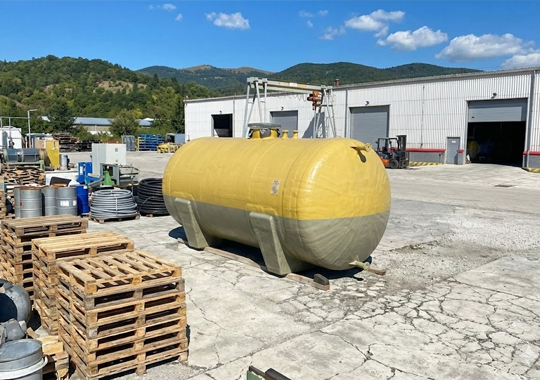
Description Of
Top 7 Benefits of FRP Sewage Treatment Plants
An FRP Sewage Treatment Plant is becoming a popular choice for wastewater treatment in residential, commercial, and industrial sectors. These systems offer many advantages that help improve sewage management, reduce pollution, and support water conservation.
One major benefit of an FRP Sewage Treatment Plant is its corrosion resistance. FRP material does not rust easily and performs well even in harsh wastewater conditions. This helps increase the life of the treatment system.
Another important advantage is lightweight construction. An FRP Sewage Treatment Plant is easier to transport and install compared to traditional concrete or steel systems. This helps save time and installation costs.
Low maintenance is also a key benefit. FRP systems require less repair work and provide reliable long-term performance. Many industries prefer these systems because they reduce operating expenses.
The compact design of an FRP Sewage Treatment Plant makes it suitable for locations with limited space. It can be installed in apartments, hotels, hospitals, schools, factories, and commercial buildings.
Energy-efficient operation is another advantage because these systems are designed to work smoothly with lower power consumption. They also help reduce environmental pollution by treating wastewater safely before disposal.
An FRP Sewage Treatment Plant also supports water reuse. Treated water can be used for gardening, flushing, cooling systems, and cleaning purposes.
With durability, easy installation, low maintenance, and reliable wastewater treatment, an FRP Sewage Treatment Plant is a practical solution for modern sewage management needs.
What is an FRP Sewage Treatment Plant?
An FRP Sewage Treatment Plant is a system designed to clean and treat sewage water before it is safely released or reused. It helps remove harmful waste, dirt, bacteria, and pollutants from wastewater generated by homes, apartments, hotels, hospitals, factories, schools, and commercial buildings.
FRP stands for Fiberglass Reinforced Plastic, a strong, corrosion-resistant material used to manufacture the treatment plant structure. Because of this material, an FRP Sewage Treatment Plant is lightweight, durable, rust-free, and suitable for long-term use in different environmental conditions.
The working process of an FRP Sewage Treatment Plant includes collecting sewage water, separating solid waste, biological treatment, filtration, and final water cleaning. During this process, harmful contaminants and organic waste are removed to make the water safer for disposal or reuse.
Many industries and residential projects prefer an FRP Sewage Treatment Plant because it requires low maintenance, occupies less space, and provides reliable wastewater treatment performance. The treated water can often be reused for gardening, flushing, cooling systems, and cleaning purposes.
An FRP Sewage Treatment Plant helps improve hygiene, reduce pollution, and support better wastewater management for modern infrastructure and industrial applications.
Benefit 1: Superior Corrosion and Chemical Resistance
One of the biggest advantages of an FRP Sewage Treatment Plant is its superior corrosion and chemical resistance. Wastewater contains moisture, chemicals, bacteria, and harmful substances that can damage ordinary materials like steel or iron over time.
FRP material is specially designed to handle these harsh conditions without rusting or corroding easily. An FRP Sewage Treatment Plant performs efficiently even in continuous contact with sewage water and industrial wastewater.
This strong resistance helps protect the treatment system from leakage, structural damage, and surface wear. Because of this, industries and commercial projects prefer FRP for long-term wastewater management.
The corrosion-resistant nature of FRP also helps reduce maintenance problems. Traditional metal systems often require regular repairs, repainting, or replacement due to rust and chemical exposure. In comparison, an FRP Sewage Treatment Plant offers reliable performance with lower maintenance needs.
This feature is especially important in chemical industries, pharmaceutical plants, hotels, hospitals, and industrial processing units where wastewater contains aggressive chemicals. Better corrosion resistance helps improve plant life, reduce repair costs, and maintain safe operation.
With strong chemical resistance and long-lasting durability, an FRP Sewage Treatment Plant provides a dependable and practical solution for modern sewage treatment systems.
Benefit 2: Compact and Space-Saving Design
A major advantage of an FRP Sewage Treatment Plant is its compact and space-saving design. Many residential, commercial, and industrial areas have limited installation space, which makes compact sewage treatment systems very useful. FRP systems are specially designed to provide efficient wastewater treatment without requiring a large area.
An FRP Sewage Treatment Plant can easily fit into basements, underground spaces, rooftops, factories, hotels, hospitals, apartments, and commercial complexes. The compact structure helps improve space management while still maintaining proper treatment performance. This makes it a suitable option for both small and large projects.
The lightweight construction of FRP also supports flexible installation. These systems are easier to transport and position compared to heavy concrete or steel treatment plants. Because of their smart design, they can be installed quickly with less construction work and lower labor costs.
The compact layout of an FRP Sewage Treatment Plant also helps simplify maintenance and daily operation. Different treatment sections are arranged efficiently to support smooth wastewater flow and better system performance.
By saving installation space while providing reliable wastewater treatment, an FRP Sewage Treatment Plant becomes a practical and efficient solution for modern sewage management in urban and industrial environments.
Benefit 3: Low Maintenance and Long Lifespan
An FRP Sewage Treatment Plant is widely preferred because it requires low maintenance and provides a long service life. Wastewater treatment systems are constantly exposed to moisture, chemicals, sludge, and harmful substances, which can damage ordinary materials over time. FRP material is highly durable and resistant to corrosion, which helps the system remain strong for many years.
Unlike traditional steel systems, an FRP Sewage Treatment Plant does not rust easily. This reduces the need for frequent repairs, repainting, or replacement of damaged parts. Many industries and commercial projects choose FRP because it helps lower maintenance costs and improve long-term performance.
The smooth internal surface of an FRP Sewage Treatment Plant also helps reduce sludge buildup and blockages. This supports smoother wastewater flow and simplifies cleaning procedures. Because of its strong structure, the system can handle continuous operation without major performance problems.
Another advantage is that FRP material performs well in different environmental conditions, including high moisture and chemical exposure. This improves the overall lifespan of the sewage treatment system.
With low maintenance requirements and durable construction, an FRP Sewage Treatment Plant becomes a cost-effective and dependable choice for residential, commercial, and industrial wastewater management applications.
Benefit 4: Lightweight and Easy Installation
One important advantage of an FRP Sewage Treatment Plant is its lightweight structure and easy installation process. FRP material is much lighter than traditional concrete and steel, which makes transportation and handling more convenient. This helps reduce installation time and lowers labor costs for different types of projects.
An FRP Sewage Treatment Plant can be installed easily in residential buildings, hotels, hospitals, factories, schools, and commercial complexes. Because of its lightweight construction, heavy lifting equipment and large construction work are often not required. This makes the installation process faster and more efficient.
The modular design of an FRP Sewage Treatment Plant also supports flexible installation in limited spaces. Different treatment units can be connected easily according to project requirements. This feature is especially useful for urban areas where available space is limited.
Quick installation also helps reduce operational delays for industries and commercial projects. Many businesses prefer FRP systems because they can start wastewater treatment operations in a shorter time than traditional treatment plants.
With lightweight construction, simple handling, and faster setup, an FRP Sewage Treatment Plant offers a practical solution for modern wastewater management systems.
Benefit 5: Cost-Effective in the Long Run
An FRP Sewage Treatment Plant is considered a cost-effective solution for long-term wastewater treatment. Even though the initial setup cost may vary depending on the project size, the system helps save money over time because of its low maintenance needs and long service life.
The corrosion-resistant nature of an FRP Sewage Treatment Plant reduces the chances of rust, leakage, and structural damage. This means industries and commercial projects spend less money on repairs and replacement work.
Energy efficiency is another reason why an FRP Sewage Treatment Plant becomes economical in the long run. Many modern systems are designed to work with lower power consumption while still providing reliable wastewater treatment performance.
The lightweight structure also helps reduce transportation and installation expenses. Since the plant is easier to handle and install, labor and construction costs are lower compared to traditional treatment systems.
An FRP Sewage Treatment Plant also supports water reuse, which helps reduce freshwater usage and water bills for industries and commercial facilities. With lower maintenance costs, reduced repair work, energy-efficient operation, and long-lasting performance, an FRP Sewage Treatment Plant provides excellent value for long-term wastewater management.
Benefit 6: Environmentally Sustainable
An FRP Sewage Treatment Plant is an environmentally sustainable solution for wastewater management. It helps reduce water pollution by treating sewage water safely before it is released into the environment. This process helps protect rivers, lakes, groundwater, and surrounding areas from harmful contamination.
One important environmental benefit of an FRP Sewage Treatment Plant is water reuse. After proper treatment, the cleaned water can be reused for gardening, flushing, cleaning, cooling systems, and other non-drinking purposes. This helps reduce freshwater consumption and supports water conservation.
The durable and corrosion-resistant FRP material also contributes to sustainability. Because the system lasts for many years with low maintenance, fewer replacement materials and repair activities are needed. This reduces industrial waste and lowers environmental impact over time.
Many industries and commercial projects use an FRP Sewage Treatment Plant to meet environmental safety standards and improve responsible wastewater handling practices. The system also helps reduce bad odor, harmful bacteria, and untreated sewage discharge.
By supporting cleaner water management, reducing pollution, and encouraging water reuse, an FRP Sewage Treatment Plant becomes a practical and eco-friendly option for modern residential, commercial, and industrial applications.
Benefit 7: Scalable and Flexible Design
One of the biggest advantages of an FRP Sewage Treatment Plant is its scalable and flexible design. Different industries, residential projects, and commercial buildings generate different amounts of wastewater, so the treatment system must be designed according to specific requirements.
An FRP Sewage Treatment Plant can be designed for small residential buildings as well as large industrial facilities. Additional treatment units can also be added later if wastewater generation increases in the future. This scalability helps businesses and property owners expand their treatment capacity without replacing the entire system.
The flexible design of an FRP Sewage Treatment Plant also supports installation in different locations and space conditions. The system can be customized for underground, above-ground, compact, or modular installation depending on site requirements.
Because of this adaptability, FRP systems are widely used in apartments, hotels, factories, hospitals, shopping complexes, educational institutions, and industrial plants. The ability to customize the plant helps improve operational efficiency and wastewater management performance.
With scalable capacity, flexible layouts, and easy expansion options, an FRP Sewage Treatment Plant provides a reliable and future-ready solution for modern sewage treatment applications.
Where Can FRP Sewage Treatment Plants Be Used?
An FRP Sewage Treatment Plant can be used in many residential, commercial, and industrial areas where proper wastewater treatment is required. These systems are designed to clean sewage water safely before disposal or reuse, which helps maintain hygiene and environmental safety.
Residential apartments and housing societies commonly install an FRP Sewage Treatment Plant to manage daily wastewater from kitchens, bathrooms, and washing areas. Hotels, resorts, restaurants, and guest houses also use these systems to maintain proper sewage treatment and reduce water pollution.
Hospitals and healthcare centers use an FRP Sewage Treatment Plant to safely handle contaminated wastewater and maintain sanitation standards. Schools, colleges, shopping malls, office buildings, and commercial complexes also prefer these systems because of their compact design and reliable performance.
Industrial sectors such as textile industries, pharmaceutical plants, chemical factories, food processing units, and manufacturing industries use an FRP Sewage Treatment Plant for industrial wastewater management. These systems help reduce environmental pollution and support water reuse.
Because of their lightweight structure, corrosion resistance, and easy installation, FRP systems are suitable for both urban and remote locations where safe and efficient sewage treatment is important.
Conclusion
An FRP Sewage Treatment Plant is a modern and reliable solution for safe wastewater treatment in residential, commercial, and industrial sectors. It helps remove harmful waste, pollutants, bacteria, and impurities from sewage water before disposal or reuse.
The biggest advantages of an FRP Sewage Treatment Plant are corrosion resistance, lightweight structure, compact design, low maintenance, and long service life. These systems are suitable for apartments, hotels, hospitals, factories, shopping complexes, schools, and industrial facilities where efficient wastewater management is required.
An FRP Sewage Treatment Plant also supports water conservation because treated water can often be reused for gardening, flushing, cooling systems, and cleaning applications. This helps reduce freshwater consumption and promotes environmentally responsible practices.
Because of flexible design and scalable capacity, FRP systems can be customized according to different project requirements. They are easy to install and perform efficiently even in challenging operating conditions.
With strong performance, durability, environmental benefits, and cost-effective operation, an FRP Sewage Treatment Plant continues to be one of the most practical choices for modern sewage treatment and long-term wastewater management solutions.
Enquire Now