Description Of
Top 6 Benefits of PPFRP Tanks for Chemical Storage
A PPFRP Tank is one of the best solutions for safe and reliable chemical storage in different industries. It is made with a Polypropylene (PP) inner layer and a Fiber-Reinforced Plastic (FRP) outer layer, giving it excellent chemical resistance and high mechanical strength.
One of the biggest benefits of a PPFRP Tank is that it can safely store acids, alkalis, solvents, and other corrosive chemicals without getting damaged. Unlike steel tanks, it does not rust or corrode, which reduces maintenance costs and increases its service life.
Compared to concrete tanks, a PPFRP Tank is much lighter, making transportation and installation faster and easier. It also requires less maintenance because its smooth inner surface reduces chemical deposits and makes cleaning simple.
Another advantage is its long lifespan, allowing industries to use the tank for many years with reliable performance. A PPFRP Tank can also be customized in different sizes and designs to suit specific industrial requirements.
Whether used in chemical plants, water treatment facilities, pharmaceutical industries, or electroplating units, it delivers safe and efficient storage. When compared with steel and concrete tanks, a PPFRP Tank offers better corrosion resistance, lower maintenance, easier installation, and greater durability.
These advantages make a PPFRP Tank a smart, cost-effective, and long-term investment for industries that need dependable chemical storage solutions.
What is a PPFRP Tank?
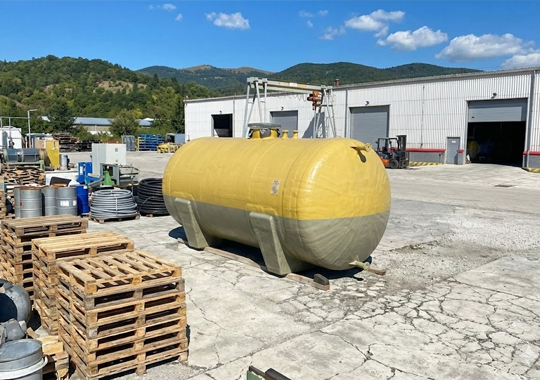
A PPFRP Tank is a storage tank made by combining Polypropylene (PP) and fiber-reinforced plastic (FRP). The inner PP layer protects the tank from chemicals, while the outer FRP layer provides extra strength and durability. This combination makes the tank suitable for storing acids, alkalis, chemicals, and industrial liquids.
PPFRP tanks are widely used in chemical industries, pharmaceutical companies, water treatment plants, electroplating units, and many other industrial sectors. They are designed to handle harsh working conditions while maintaining excellent performance for many years.
Compared to traditional metal or concrete tanks, PPFRP tanks are lighter, easier to install, and highly resistant to corrosion. They do not rust or react with most chemicals, making them a reliable choice for industries that require safe storage solutions.
Another advantage is their long service life. With proper maintenance, a PPFRP tank can perform efficiently for many years without major repairs. Their strong construction and chemical resistance make them a cost-effective investment for industrial applications where safety and durability are important.
Benefit 1: Superior Corrosion Resistance
One of the biggest advantages of a PPFRP Tank is its excellent resistance to corrosion. Many industries store strong acids, alkalis, and other aggressive chemicals that can quickly damage ordinary steel tanks. A PPFRP tank is specially designed to resist these harmful substances without losing its strength.
The polypropylene inner layer protects the tank from direct chemical contact, while the FRP outer layer provides additional structural support. This combination helps the tank perform well even in challenging industrial environments.
Because the tank does not rust or corrode easily, businesses spend less money on repairs and replacements. This also reduces the risk of leakage and product contamination.
Its corrosion-resistant properties make it suitable for chemical plants, electroplating units, wastewater treatment facilities, and pharmaceutical industries. Choosing a PPFRP tank helps improve safety, increase reliability, and reduce long-term operating costs.
Benefit 2: Lightweight & Easy Installation
A PPFRP Tank is much lighter than steel or concrete tanks. Even though it is lightweight, it offers excellent strength and durability. This makes transportation much easier and reduces installation time.
Because the tank weighs less, lifting equipment and installation costs are also lower. Industries can quickly install the tank without major construction work, helping save both time and money.
The lightweight design also makes future relocation easier if production layouts change. This flexibility is useful for expanding factories and growing industries.
Despite being lighter, the tank remains strong enough to handle industrial operations. It can safely store different liquids while maintaining structural stability. This balance between strength and low weight makes the PPFRP tank a practical solution for many industries.
Benefit 3: High Temperature & Pressure Resistance
Many industrial processes involve high temperatures and pressure. A PPFRP Tank is designed to perform well under these demanding conditions.
The polypropylene lining can withstand various chemicals at elevated temperatures, while the FRP outer shell provides excellent mechanical strength. Together, they create a storage tank that remains stable during daily industrial use.
This makes PPFRP tanks suitable for chemical processing, electroplating, and manufacturing industries where process conditions can be challenging.
A properly designed PPFRP tank reduces the chances of deformation, leakage, or failure caused by heat or pressure. It offers reliable performance and helps industries maintain safe operations without frequent maintenance.
Benefit 4: Low Maintenance & Long Service Life
A PPFRP Tank requires very little maintenance compared to many traditional storage tanks. Since it does not rust or corrode easily, businesses spend less time and money on repairs.
The smooth inner surface reduces deposits and makes cleaning easier. Regular inspections and simple maintenance are usually enough to keep the tank working efficiently.
Because of its durable construction, a PPFRP tank can provide many years of reliable service. Industries benefit from fewer breakdowns, lower maintenance costs, and better operational efficiency.
Its long lifespan also makes it an economical investment for businesses that need dependable chemical storage solutions.
Benefit 5: Environmentally Friendly
A PPFRP Tank is considered an environmentally friendly storage solution because it has a long service life and helps reduce waste caused by frequent replacements.
Its corrosion resistance lowers the risk of chemical leakage, protecting both workers and the environment. Safe storage also reduces the possibility of soil and water contamination.
Since the tank requires fewer repairs, industries use fewer replacement materials over time. This helps reduce maintenance-related waste.
By providing reliable storage for hazardous liquids, PPFRP tanks support safer industrial operations while promoting responsible environmental practices.
Benefit 6: Customizable to Your Needs
Every industry has different storage requirements. One of the major advantages of a PPFRP Tank is that it can be customized according to customer needs.
The tank can be manufactured in different sizes, shapes, capacities, and thicknesses. Additional features such as manholes, nozzles, ladders, level indicators, and support structures can also be added.
Customization ensures the tank fits perfectly into existing production systems and meets specific operational requirements.
This flexibility makes PPFRP tanks suitable for a wide range of industrial applications where standard tanks may not provide the ideal solution.
PPFRP Tank vs Steel – A Quick Comparison
Steel tanks are strong but often suffer from rust and corrosion when exposed to aggressive chemicals. They usually require protective coatings and regular maintenance.
A PPFRP Tank offers better corrosion resistance and requires less maintenance. It is lighter, easier to transport, and has a longer service life in chemical applications.
Although steel may be suitable for certain industries, PPFRP tanks are often the preferred choice for chemical storage because of their durability, lower maintenance costs, and excellent chemical resistance.
PPFRP Tank vs Concrete – Environmental Impact
Concrete tanks are heavy, difficult to install, and may develop cracks over time. Repairing or replacing them can be expensive.
A PPFRP Tank has a lower overall environmental impact because it lasts longer, requires less maintenance, and minimizes the risk of chemical leakage.
Its lightweight construction also reduces transportation and installation efforts. For industries looking for safe and efficient storage, PPFRP tanks provide a practical and environmentally responsible solution.
Industries That Use PPFRP Tanks
PPFRP tanks are widely used in industries that need safe and reliable chemical storage. Their excellent corrosion resistance, durability, and long service life make them suitable for many industrial applications.
Chemical Processing Plants
Chemical processing plants use PPFRP tanks to store acids, alkalis, solvents, and process chemicals safely. Their corrosion resistance helps maintain product quality while reducing maintenance costs.
Pharmaceutical Industry
Pharmaceutical companies require clean and reliable storage systems. PPFRP tanks help maintain hygienic conditions while safely storing chemicals used during manufacturing processes.
Food & Beverage
Food and beverage industries use specially designed PPFRP tanks for storing approved process liquids. Their smooth surfaces make cleaning easier and support hygienic operations.
Water Treatment Facilities
Water treatment plants use PPFRP tanks to store chemicals such as chlorine, alum, and other treatment solutions. Their durability ensures safe long-term operation.
Petrochemical & Refining
Petrochemical industries handle aggressive chemicals every day. PPFRP tanks provide reliable storage while resisting corrosion caused by harsh industrial environments.
How to Maintain Your PPFRP Tank
Maintaining a PPFRP Tank is simple. Inspect the tank regularly for signs of damage, check fittings and joints, and clean the inside whenever required.
Avoid mechanical impacts and ensure chemicals are stored within the recommended operating conditions.
Following the manufacturer's maintenance guidelines helps extend the tank's service life and ensures safe operation for many years.
Frequently Asked Questions (FAQs)
Q1. What is a PPFRP Tank used for?
It is mainly used for storing chemicals, acids, alkalis, wastewater, and industrial liquids.
Q2. How long does a PPFRP Tank last?
With proper maintenance, it can provide reliable performance for many years.
Q3. Is a PPFRP Tank resistant to chemicals?
Yes. It offers excellent resistance to many industrial chemicals.
Q4. Can PPFRP Tanks be customized?
Yes. They are available in different capacities and designs based on customer requirements.
Q5. Are PPFRP Tanks suitable for outdoor installation?
Yes. They can be manufactured for both indoor and outdoor industrial applications.
Conclusion
A PPFRP Tank is a reliable, durable, and cost-effective storage solution for many industries. Its corrosion resistance, lightweight design, long service life, and low maintenance make it an excellent alternative to traditional steel and concrete tanks.
Whether you operate a chemical plant, pharmaceutical company, water treatment facility, or petrochemical industry, a PPFRP tank offers safe and efficient storage for industrial liquids. Choosing the right PPFRP tank helps improve operational safety, reduce maintenance costs, and ensure dependable performance for years.
Enquire Now