Description Of
Why FRP Water Storage Tanks Are the Ultimate Choice for Industrial Facilities
Industrial facilities need strong and reliable systems for water and fluid storage. Factories, manufacturing plants, processing units, and commercial industries store large amounts of water, chemicals, and industrial liquids every day.
However, many traditional storage tanks create problems like rust, leakage, contamination, and high maintenance costs. Steel tanks especially require regular repairs, painting, and corrosion protection, which increases long-term expenses for industries.
Water contamination is another serious issue in industrial environments. Rust and corrosion inside old storage tanks can affect water quality and damage industrial operations. Frequent maintenance shutdowns also reduce productivity and increase operational costs.
Because of these challenges, industries are now searching for modern storage solutions that offer better durability, hygiene, and long-term performance. This is where FRP water storage tanks have become a preferred choice for industrial facilities.
FRP stands for Fiberglass Reinforced Plastic, a strong and advanced material designed for industrial applications. FRP tanks are known for their corrosion resistance, lightweight structure, durability, and low maintenance requirements.
One of the biggest advantages of FRP water storage tanks is that they do not rust like traditional metal tanks. This helps industries maintain cleaner storage conditions and avoid expensive repair work. FRP tanks are also highly resistant to chemicals, moisture, and changing weather conditions, making them suitable for industrial use.
Another important benefit is long-term cost savings. Industrial facilities spend a large amount of money on maintenance, repairs, and replacement of old storage systems. FRP water storage tanks help reduce these expenses because they require very little maintenance and provide a long service life.
FRP modular tanks and custom-designed tanks also provide flexibility for different industrial requirements. Industries can choose storage capacity, shape, and installation options according to available space and project needs. This helps businesses optimize infrastructure planning and improve operational efficiency.
Many industries, including manufacturing plants, pharmaceutical companies, food processing units, hospitals, water treatment facilities, and chemical industries, are now switching to FRP water storage tanks because they provide reliable performance and long-term value.
With better durability, lower maintenance costs, corrosion resistance, and cleaner storage conditions, FRP water storage tanks have become the ultimate choice for modern industrial facilities looking to improve efficiency and reduce infrastructure expenses.
What Makes an FRP Water Storage Tank Structurally Superior?
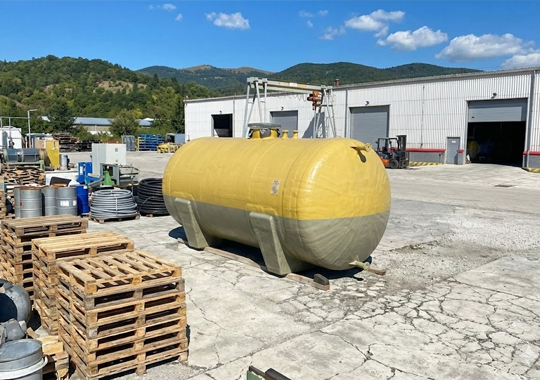
An FRP water storage tank is known for its strong structure and long-lasting performance. FRP stands for Fiberglass Reinforced Plastic, a modern composite material specially designed for industrial and commercial storage applications.
The strength of an FRP water storage tank comes from a combination of high-grade resin and strong glass fibers. The resin matrix works as a protective bonding material that holds the entire structure together.
At the same time, high-strength glass fibers provide excellent mechanical strength and durability. This combination creates a strong composite material that can handle heavy loads, pressure, moisture, and harsh industrial conditions.
One of the biggest advantages of an FRP water storage tank is its excellent strength-to-weight ratio. Even though FRP tanks are much lighter than steel tanks, they still provide very high structural strength.
In many applications, FRP material is considered stronger than steel per pound while being almost 70-80% lighter in weight. Because of this lightweight structure, FRP water storage tanks are easier to transport, handle, and install. Industries can reduce transportation costs and installation time without compromising tank strength or safety.
Another important benefit is that FRP tanks do not rust or corrode like metal tanks. Their strong composite design helps maintain durability even in chemical, moisture-heavy, or outdoor environments.
The combination of lightweight construction, high strength, corrosion resistance, and durability makes an FRP water storage tank structurally superior for modern industrial and commercial water storage needs.
Core Industrial Advantages of FRP Water Tanks
100% Corrosion Resistance
One of the biggest advantages of an FRP water tank is complete corrosion resistance. Unlike mild steel tanks, FRP tanks do not rust when exposed to hard water, saline water, moisture, or industrial treatment chemicals.
In many industries, storage tanks face constant contact with chemicals and changing environmental conditions. Steel tanks often become weak because of corrosion, leading to leakage and expensive repairs.
An FRP water tank stays strong and durable for many years without rust problems, making it a reliable solution for industrial water storage.
Zero Light Penetration & Algae Control
An FRP water tank also helps maintain better water hygiene. FRP panels block almost all light transmission, usually below 0.005%. Because sunlight cannot enter the tank, algae and harmful bacterial growth are greatly reduced.
This helps industries maintain cleaner water storage conditions without frequent cleaning or chemical treatment. Many water treatment plants, food industries, hospitals, and pharmaceutical companies prefer FRP tanks because they support better hygiene and water quality.
Superior Thermal Insulation
Another important advantage of an FRP water tank is excellent thermal insulation. FRP material has very low thermal conductivity, which helps reduce sudden water temperature changes during hot weather.
In industrial environments, controlling water temperature is important for many processes. FRP tanks help keep stored water more stable and protected from excessive heat, especially during extreme summer conditions.
Key Industrial and Commercial Applications
An FRP water tank is widely used in different industrial and commercial sectors because of its durability, corrosion resistance, and low maintenance. Many industries now prefer FRP tanks for safe and long-term water storage solutions.
Chemical Processing Plants & Wastewater Treatment Facilities
Chemical industries require storage systems that can handle aggressive chemicals, treated water, and industrial liquids. Traditional metal tanks often rust or become damaged after continuous exposure to chemicals and moisture. An FRP water tank provides excellent chemical resistance, making it suitable for chemical processing plants and wastewater treatment facilities.
Wastewater treatment plants also use FRP tanks because they can safely store treated water, industrial waste liquids, and process water without corrosion problems. Their strong structure and long service life help reduce maintenance costs and improve industrial operations.
Commercial Real Estate, Hospitals, and Hospitality Hubs
Large commercial buildings and public facilities need reliable water storage systems for daily operations. An FRP water tank is commonly used in commercial real estate projects, hospitals, shopping malls, hotels, resorts, and large hospitality hubs because it provides clean and safe water storage.
Hospitals and hospitality businesses especially prefer FRP tanks because they help prevent algae and bacterial growth. Their non-corrosive structure supports better hygiene and cleaner water quality. FRP tanks are also lightweight and easy to install in commercial buildings where space and maintenance are important factors.
Firefighting Water Reserves and RO System Storage
Many industries and commercial facilities use FRP water tanks for firefighting water storage. Fire reserve systems require strong and dependable tanks that can safely store large amounts of emergency water for long periods. FRP tanks are highly durable and suitable for outdoor and industrial environments.
Reverse osmosis (RO) systems also commonly use FRP water tanks because they maintain water purity and resist corrosion. RO plants require clean and contamination-free storage solutions, and FRP tanks help support efficient water treatment and storage processes.
Because of their durability, hygiene support, chemical resistance, and long-lasting performance, FRP water tanks have become an important solution for modern industrial and commercial applications.
Financial ROI: How FRP Saves Money
An FRP water tank is not only strong and durable, but it also helps industries and commercial facilities save money over the long term. Many businesses now choose FRP tanks because they provide a better financial return on investment compared to traditional steel or concrete tanks.
Lower Installation Costs
One of the biggest financial advantages of an FRP water tank is lower installation cost. FRP panels are lightweight compared to steel or concrete structures. Because of their lighter weight, transportation and handling become much easier and more affordable.
Heavy steel tanks often require large cranes, complex lifting equipment, and strong structural foundations for installation. This increases labor and infrastructure expenses. An FRP water tank usually does not need massive, heavy cranes or expensive support structures, which helps reduce project costs significantly.
The lightweight design also allows faster installation. Industries can complete projects more quickly and reduce downtime during construction or replacement work.
Very Low Maintenance Costs
Another major reason industries prefer an FRP water tank is the low maintenance requirement. Traditional steel tanks often need regular repainting, recoating, rust protection, and repair work to prevent corrosion. These maintenance activities increase yearly operating expenses.
FRP tanks do not rust or corrode, even when exposed to moisture, chemicals, saline water, or harsh weather conditions. Because of this, they require very little maintenance over their service life.
There is also no need for expensive annual recoating or repainting cycles. This helps industries save both maintenance labor costs and material expenses year after year.
Long-Term Financial Benefits
The strong structure and long service life of an FRP water tank also reduce replacement costs. Industries can use these tanks for many years without major repair problems.
Lower installation expenses, reduced maintenance costs, and long-term durability make an FRP water tank a cost-effective solution for industrial and commercial water storage applications.
Conclusion
FRP water tanks have become one of the most reliable and cost-effective storage solutions for modern industrial and commercial facilities. Their strong structure, corrosion resistance, lightweight design, and long service life make them a better choice compared to traditional steel or concrete tanks.
Industries prefer FRP tanks because they help reduce maintenance costs, prevent rust problems, improve hygiene, and support safe water storage in different working conditions.
Another major advantage of an FRP water tank is its ability to handle chemicals, moisture, hard water, and extreme weather without damage. These tanks are widely used in factories, chemical plants, hospitals, hotels, commercial buildings, wastewater treatment facilities, and fire reserve systems because they provide dependable long-term performance.
The lightweight structure of FRP tanks also helps lower installation expenses and reduces the need for heavy support systems. Their low maintenance requirements save businesses from regular repainting, rust treatment, and expensive repair work.
This makes FRP tanks a smart financial investment for industries looking for reliable storage infrastructure. As industrial and commercial projects continue to grow, the demand for durable and efficient water storage systems is increasing rapidly.
Choosing the right FRP water tank solution helps improve operational safety, storage efficiency, and long-term cost savings. If you are planning a factory, industrial plant, commercial property, or infrastructure project, our experienced engineers can help you choose the right FRP water tank layout according to your storage needs and available space.
Enquire Now