Description Of
Top 7 Benefits of FRP Water Storage Tanks You Should Know
FRP water storage tanks are becoming a popular choice in industrial, commercial, and residential sectors because they offer strong performance, long life, and better safety compared to traditional storage systems.
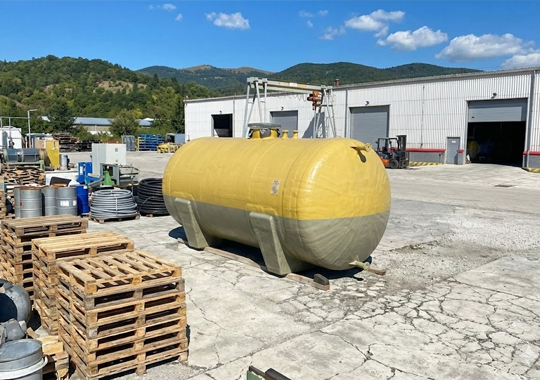
FRP stands for Fiberglass Reinforced Plastic, a modern composite material designed for durable and efficient water storage. An FRP water storage tank is made using strong fiberglass layers combined with high-quality resin. This combination creates a solid structure that is lightweight, durable, and suitable for storing water in different environmental conditions.
One of the biggest benefits of an FRP water storage tank is excellent corrosion resistance. Unlike metal tanks, FRP tanks do not rust or corrode when exposed to water, chemicals, or moisture. This helps maintain water quality and improves tank life.
Another major advantage is that FRP water storage tanks are lightweight and easy to transport. Their reduced weight makes installation faster and more convenient, even in difficult locations, without requiring heavy equipment.
FRP water storage tanks also offer a long service life of 20+ years. Their strong structure ensures reliable performance for many years with minimal wear and tear.
Low maintenance is another important benefit. FRP tanks are easy to clean and do not require frequent painting, coating, or repair work, making them cost-effective and convenient for users.
These tanks are also known for being leak-proof with strong joints. Proper design and manufacturing ensure tight sealing, which prevents water loss and improves storage efficiency.
FRP water storage tanks are eco-friendly and sustainable. They are made using materials that support long-term use and reduce environmental impact compared to traditional tank materials.
Finally, FRP tanks are cost-effective over time. Even though the initial investment may be slightly higher, they save money in installation, maintenance, and replacement costs in the long run.
What is an FRP Water Storage Tank?
An FRP water storage tank is a strong and durable tank used for storing water in residential, commercial, and industrial areas. FRP stands for Fiberglass Reinforced Plastic, a modern material made by combining fiberglass with high-quality plastic resin. This combination creates a lightweight but very strong storage solution.
An FRP water storage tank is designed to store clean water, industrial water, treated water, and sometimes chemicals, depending on the application. These tanks are widely used in factories, hospitals, hotels, schools, commercial buildings, water treatment plants, and residential projects because they provide long-lasting performance and low maintenance.
One of the biggest advantages of an FRP water storage tank is that it does not rust or corrode like metal tanks. It can handle moisture, chemicals, and different weather conditions without damage. This makes FRP tanks a reliable choice for long-term water storage.
Another important feature is their lightweight design. FRP tanks are much lighter than concrete or steel tanks, which makes transportation and installation easier and faster. Even though they are lightweight, they still provide excellent strength and durability.
An FRP water storage tank also helps maintain better water hygiene because it prevents rust contamination and supports cleaner storage conditions. Many industries and commercial facilities prefer FRP tanks because they are easy to clean and require very little maintenance.
Benefit 1: Excellent Corrosion Resistance
One of the biggest advantages of an FRP water storage tank is its excellent corrosion resistance. Traditional metal tanks often face problems like rust, corrosion, and surface damage when exposed to water, moisture, chemicals, or changing weather conditions. Over time, this can reduce tank life and affect water quality.
An FRP water storage tank is specially designed to resist corrosion. Since FRP stands for Fiberglass Reinforced Plastic, the material does not rust like steel or iron. This makes FRP tanks a reliable option for long-term water storage in residential, commercial, and industrial applications.
Many industries use chemicals, treated water, saline water, and wastewater that can damage ordinary metal tanks. An FRP water storage tank can handle these conditions without becoming weak or damaged. This helps industries maintain safer and cleaner storage systems for many years.
Another important benefit is better water hygiene. Rust from metal tanks can sometimes contaminate stored water and increase maintenance requirements. FRP tanks help avoid this issue because their non-corrosive structure supports cleaner water storage conditions.
Corrosion resistance also helps reduce repair and maintenance costs. Since FRP tanks do not need regular anti-rust treatment, painting, or recoating, businesses and property owners can save money over time.
Because of their strong corrosion resistance, FRP water storage tanks are widely used in factories, hospitals, commercial buildings, hotels, water treatment plants, and industrial facilities where durability and long-term performance are important.
Benefit 2: Lightweight and Easy to Transport
An FRP water storage tank is much lighter than traditional steel or concrete tanks. Even with its lightweight structure, it still provides excellent strength and durability for long-term water storage. This makes FRP tanks a practical and convenient solution for many industries and commercial projects.
Because of their reduced weight, FRP water storage tanks are easier to transport from one location to another. Transportation becomes faster, safer, and more cost-effective since heavy lifting equipment is often not required.
The lightweight design also makes installation simple and less time-consuming. Workers can handle and position the tank more easily during setup, which helps reduce labor costs and installation delays.
Another advantage is that lightweight FRP tanks put less load on building structures and support systems. This is especially useful for rooftop installations, commercial buildings, and industrial facilities where structural weight matters.
Many industries and property owners prefer FRP water storage tanks because they combine strong performance with easy transportation and simple installation. This helps save both time and money during project execution.
Benefit 3: Long Service Life (20+ Years)
One of the biggest advantages of an FRP water storage tank is its long service life. A high-quality FRP tank can easily last more than 20 years with proper use and basic maintenance. This makes it a reliable and long-term storage solution for residential, commercial, and industrial applications.
An FRP water storage tank is made using strong fiberglass and durable resin materials. These materials help the tank resist rust, corrosion, moisture, and harsh weather conditions. Because of this strong structure, FRP tanks do not get damaged as easily as traditional metal tanks.
The long life of an FRP water storage tank also helps reduce replacement costs. Industries and property owners do not need to replace the tank frequently, which helps save money over time.
Another reason for the long durability is that FRP tanks require very little maintenance. They can continue performing efficiently for many years without major repair work or expensive protective coatings.
Because of their durability and dependable performance, FRP water storage tanks are widely used in factories, hospitals, hotels, water treatment plants, commercial buildings, and industrial facilities where long-lasting storage solutions are important.
Benefit 4: Low Maintenance & Easy Cleaning
An FRP water storage tank is known for its low maintenance and easy cleaning process. Unlike traditional metal tanks, FRP tanks do not rust, corrode, or develop surface damage easily. This helps reduce regular repair work and maintenance expenses.
The smooth inner surface of an FRP water storage tank helps prevent dirt, algae, and unwanted deposits from sticking to the tank walls. Because of this, cleaning becomes faster and easier. Regular cleaning can be completed without complicated maintenance procedures.
Another important advantage is that FRP tanks do not require frequent painting, anti-rust treatment, or protective coating. This saves both time and long-term maintenance costs for industries, commercial buildings, and residential users.
An FRP water storage tank also helps maintain cleaner water storage conditions because it supports better hygiene and reduces contamination risks caused by rust or corrosion.
Many industries, hospitals, hotels, water treatment plants, and commercial facilities prefer FRP tanks because they can continue performing effectively with very little maintenance.
Low maintenance and easy cleaning make an FRP water storage tank a practical and cost-effective solution for long-term water storage needs.
Benefit 5: Leak-Proof and Strong Joints
An FRP water storage tank is designed with strong and secure joints that help prevent water leakage. Properly manufactured FRP tanks provide excellent sealing performance, making them reliable for long-term water storage in residential, commercial, and industrial applications.
Traditional tanks sometimes develop cracks, weak joints, or leakage problems after continuous use. An FRP water storage tank is built using advanced fabrication methods and high-quality materials that help maintain strong connections between tank panels and sections.
The leak-proof structure helps prevent water loss and supports better storage efficiency. This is especially important for industries, hospitals, commercial buildings, and water treatment facilities where continuous water availability is necessary.
Strong joints also improve the overall durability of an FRP water storage tank. The tank can handle pressure, moisture, and changing environmental conditions without becoming weak or damaged easily.
Another advantage is reduced maintenance. Since the tank structure remains tightly sealed, users do not need frequent repair work caused by leakage problems.
Because of their leak-proof performance and strong joints, FRP water storage tanks are widely preferred for safe, efficient, and long-lasting water storage solutions.
Benefit 6: Eco-Friendly and Sustainable
An FRP water storage tank is considered an eco-friendly and sustainable solution for modern water storage needs. Many industries and commercial facilities now prefer FRP tanks because they support long-term use while reducing environmental impact.
One important reason is their long service life. Since an FRP water storage tank can last for many years without major damage, there is less need for frequent replacement. This helps reduce material waste and lowers the overall use of natural resources.
FRP tanks also require very little maintenance. Unlike metal tanks, they do not need regular repainting, anti-rust chemicals, or heavy repair work. This reduces the use of harmful maintenance materials and supports a cleaner environment.
Another advantage is their lightweight structure. Transportation and installation of an FRP water storage tank consume less energy compared to heavy steel or concrete tanks. This helps reduce fuel usage and overall project energy consumption.
FRP tanks also help maintain clean water storage conditions because they resist rust, corrosion, and contamination. Their durable structure supports safer and more efficient water management for residential, commercial, and industrial applications.
Because of their durability, low maintenance, and long-term performance, FRP water storage tanks are a smart and sustainable choice for modern infrastructure projects.
Benefit 7: Cost-Effective Over Time
An FRP water storage tank is considered a cost-effective solution because it helps save money over the long term. While the initial investment may sometimes be slightly higher than ordinary tanks, the long-term savings are much greater due to low maintenance and long service life.
One major reason an FRP water storage tank saves money is that it does not rust or corrode. Traditional steel tanks often need regular painting, anti-rust treatment, and repair work, which increases yearly maintenance expenses. FRP tanks require very little maintenance, helping users reduce repair and operating costs.
Another advantage is durability. An FRP water storage tank can last for many years without major damage or replacement. This reduces the need for frequent tank changes and helps industries and property owners avoid extra infrastructure costs.
The lightweight structure of FRP tanks also lowers transportation and installation expenses. Since heavy lifting equipment is usually not required, project costs become more manageable.
An FRP water storage tank also helps reduce water loss because of its leak-proof structure and strong joints. This improves storage efficiency and reduces unnecessary wastage.
Because of low maintenance, long life, and reduced repair costs, FRP water storage tanks provide excellent value and become a smart financial investment over time.
FRP vs Steel – A Quick Comparison
When choosing a water storage solution, many industries and property owners compare FRP tanks and steel tanks. Both are used for water storage, but an FRP water storage tank offers several important advantages over traditional steel tanks.
One of the biggest differences is corrosion resistance. Steel tanks can rust over time when exposed to water, moisture, and chemicals. An FRP water storage tank does not rust or corrode, which helps improve durability and water quality.
Weight is another major factor. Steel tanks are heavy and often require strong support structures and heavy installation equipment. FRP tanks are lightweight, making transportation and installation easier and more affordable.
Maintenance requirements are also different. Steel tanks usually need regular painting, anti-rust treatment, and repairs. An FRP water storage tank requires very little maintenance, helping users save money over time.
FRP tanks also provide better thermal insulation and help reduce algae growth because they block light effectively. Steel tanks may heat up faster and require more cleaning.
Because of long service life, low maintenance, lightweight structure, and corrosion resistance, many industries now prefer FRP water storage tanks over steel tanks for modern water storage applications.
FRP vs Concrete – A Quick Comparison
FRP tanks and concrete tanks are both used for water storage, but many industries and commercial facilities now prefer an FRP water storage tank because of its modern advantages and better long-term performance.
One major difference is weight. Concrete tanks are very heavy and usually require strong foundations, more construction work, and longer installation time. An FRP water storage tank is lightweight, which makes transportation, handling, and installation much faster and easier.
Maintenance is another important factor. Concrete tanks may develop cracks, leakage, and surface damage over time due to moisture and weather conditions. An FRP water storage tank is designed with strong joints and corrosion-resistant materials, helping reduce maintenance problems.
Cleaning is also easier in FRP tanks because they have smooth inner surfaces that reduce dirt and algae buildup. Concrete tanks may require more cleaning and repair work after long use.
An FRP water storage tank also provides better durability in chemical and industrial environments. It can handle moisture and changing weather conditions without becoming weak or damaged easily.
Because of lightweight structure, easy installation, low maintenance, and long service life, FRP water storage tanks are becoming a more practical choice compared to concrete tanks.
Where Can FRP Water Storage Tanks Be Used?
Residential & Apartments
An FRP water storage tank is widely used in residential buildings and apartment complexes because it provides safe and clean water storage. Many homeowners and housing societies prefer FRP tanks because they are lightweight, durable, and easy to maintain. Their rust-free structure helps maintain better water quality for daily household use.
Factories & Industries
Factories and industrial facilities use an FRP water storage tank for storing process water, treated water, and industrial liquids. These tanks are highly resistant to corrosion, chemicals, and harsh working conditions, making them suitable for industrial environments. Their strong structure and long service life help industries reduce maintenance and replacement costs.
Hotels & Resorts
Hotels and resorts require large amounts of clean water every day for guests, kitchens, laundry, and other operations. An FRP water storage tank helps maintain hygienic water storage conditions and supports continuous water supply. Many hospitality businesses prefer FRP tanks because they are durable, leak-proof, and easy to clean.
Hospitals
Hospitals need reliable and hygienic water storage systems for patient care, cleaning, laboratories, and medical operations. An FRP water storage tank is commonly used in hospitals because it helps prevent rust contamination and supports better water hygiene. Its low maintenance and long-lasting performance make it a practical choice for healthcare facilities.
Agriculture
In the agriculture sector, an FRP water storage tank is used for irrigation systems, rainwater harvesting, and farm water storage. Farmers prefer FRP tanks because they can handle outdoor weather conditions without corrosion or damage. Their lightweight design also makes installation easier in agricultural areas.
Because of their durability, corrosion resistance, and low maintenance, FRP water storage tanks are suitable for many different applications across residential, commercial, industrial, healthcare, hospitality, and agricultural sectors.
How to Maintain Your FRP Water Storage Tank
An FRP water storage tank is known for its durability and low maintenance, but proper care can help improve its performance and increase its service life even more. Regular maintenance also helps maintain clean and safe water storage conditions.
One of the most important steps is regular cleaning. Over time, dust, dirt, or small deposits may collect inside the tank. Cleaning the FRP water storage tank every few months helps maintain better water quality and hygiene. The smooth inner surface of FRP tanks makes cleaning simple and quick.
It is also important to check the tank lid and connections regularly. Make sure the tank remains properly closed to prevent dust, insects, or external contamination from entering the stored water.
Inspect the tank for any visible damage or leakage occasionally. Although an FRP water storage tank is very strong and leak-resistant, checking joints and fittings helps identify small issues before they become larger problems.
Avoid storing chemicals or liquids that are not recommended for the specific tank design. Using the tank according to manufacturer guidelines helps maintain its durability and structural strength.
Another helpful step is keeping the surrounding area clean and free from unnecessary pressure or impact on the tank walls. Proper installation support also helps maintain tank stability.
Because an FRP water storage tank does not rust or corrode, it requires far less maintenance than steel or concrete tanks. Simple cleaning and periodic inspection are usually enough to keep the tank working efficiently for many years.
Frequently Asked Questions (FAQs)
What is an FRP water storage tank?
An FRP water storage tank is a water storage tank made from Fiberglass Reinforced Plastic. It is strong, lightweight, corrosion-resistant, and widely used in residential, commercial, and industrial applications.
Why is an FRP water storage tank better than a steel tank?
An FRP water storage tank does not rust or corrode like steel tanks. It also requires less maintenance, offers longer life, and provides better resistance against chemicals and moisture.
How long does an FRP water storage tank last?
A high-quality FRP water storage tank can easily last more than 20 years with proper maintenance and regular cleaning.
Is an FRP water storage tank suitable for drinking water?
Yes, many FRP tanks are designed for safe drinking water storage. Their rust-free structure helps maintain better water hygiene and cleaner storage conditions.
Does an FRP water storage tank require regular maintenance?
An FRP water storage tank requires very little maintenance compared to steel or concrete tanks. Basic cleaning and periodic inspection are usually enough for long-term performance.
Conclusion
An FRP water storage tank is one of the most reliable and modern solutions for water storage in residential, commercial, and industrial sectors. Its strong structure, corrosion resistance, lightweight design, and long service life make it a better choice compared to traditional steel or concrete tanks.
Many people prefer an FRP water storage tank because it requires very little maintenance and helps maintain cleaner water storage conditions. These tanks are also easy to transport, simple to install, and suitable for different environments, including factories, apartments, hospitals, hotels, and agricultural areas.
Another major advantage is long-term cost savings. Since FRP tanks do not rust or crack easily, they reduce repair and replacement expenses over time. Their leak-proof structure and durable material also help improve water storage efficiency.
With better durability, hygiene, and performance, an FRP water storage tank has become a trusted option for modern infrastructure and water management needs. Choosing the right FRP tank helps ensure safe, efficient, and long-lasting water storage for many years.
Enquire Now