Description Of
Acid Storage Tank: A Complete Guide for Safe Chemical Storage
An Acid Storage Tank is a specially designed container used to store different types of industrial acids safely. Since acids are highly corrosive, they can damage ordinary metal or plastic containers if the right material is not used.
A properly designed acid storage tank helps prevent leaks, protects workers, and ensures chemicals remain safe during storage and handling. Many industries rely on an Acid Storage Tank for storing chemicals such as hydrochloric acid, sulphuric acid, nitric acid, phosphoric acid, and other industrial acids.
These tanks are commonly used in chemical manufacturing plants, water treatment facilities, pharmaceutical companies, fertilizer industries, metal processing units, and food processing plants. Selecting the correct tank material is important because every acid has different chemical properties and storage requirements.
An Acid Storage Tank is usually manufactured using corrosion-resistant materials such as FRP (fiber-reinforced plastic), HDPE, PP, or specially coated steel. Among these, FRP tanks are widely preferred because they offer excellent resistance to corrosion, have a long service life, and require very little maintenance.
The right material helps keep the stored acid safe while protecting the tank from damage. Safety is one of the most important factors when using an Acid Storage Tank. The tank should always be installed on a strong and level foundation.
It should also include proper venting systems, overflow protection, leak detection, and secure pipe connections. Clear safety labels and regular inspections help identify problems before they become serious. Employees should always wear the required protective equipment while handling acids to reduce the risk of accidents.
Routine maintenance is equally important for keeping an Acid Storage Tank in good condition. Regular cleaning, visual inspections, and checking valves, joints, and pipelines can help detect wear or corrosion at an early stage. Any signs of leakage or damage should be repaired immediately to avoid safety risks and costly downtime.
Choosing the right size of an Acid Storage Tank depends on the type of acid, storage capacity, temperature, and operating conditions. Industries should always follow recommended chemical compatibility guidelines before selecting a storage tank.
Working with an experienced manufacturer or supplier helps ensure the tank meets safety and quality standards. An Acid Storage Tank is more than just a storage container. It plays a vital role in protecting workers, equipment, and the environment.
A high-quality tank improves operational safety, reduces maintenance costs, and supports smooth industrial operations. By selecting the right material, following proper installation practices, and carrying out regular maintenance, businesses can safely store acids and improve the long-term performance of their chemical storage systems.
What is an Acid Storage Tank?
An Acid Storage Tank is a specially designed container used to safely store different types of industrial acids. Since acids are highly corrosive, they can damage ordinary storage containers and create safety risks if they are not stored properly.
An acid storage tank is made from corrosion-resistant materials that can safely handle these chemicals and protect them from leakage or contamination. These tanks are widely used in industries such as chemical manufacturing, water treatment, pharmaceuticals, metal processing, fertilizers, mining, and food processing.
We are designed to store acids like hydrochloric acid, sulphuric acid, nitric acid, phosphoric acid, and many other industrial chemicals. The type of material used for the tank depends on the chemical being stored and the operating conditions.
An Acid Storage Tank is commonly manufactured using materials such as FRP (Fiber Reinforced Plastic), HDPE, polypropylene (PP), or specially coated steel. These materials provide excellent resistance to corrosion, moisture, and chemical reactions, helping the tank perform safely for many years.
Apart from safe storage, an Acid Storage Tank also helps industries meet safety standards and reduce the risk of accidents. Most tanks are designed with features like leak-proof construction, proper venting systems, strong pipe connections, and overflow protection for added safety.
Choosing the right Acid Storage Tank is important for protecting workers, equipment, and the environment. A high-quality tank not only improves chemical safety but also reduces maintenance costs and increases the lifespan of industrial storage systems.
Why Acid Storage Requires Specialized Tanks
Acids are highly reactive chemicals that can quickly damage ordinary storage containers. They can cause corrosion, leaks, and even serious safety hazards if they are stored in the wrong type of tank. This is why industries use a specially designed Acid Storage Tank instead of standard metal or plastic containers.
These tanks are built to safely handle corrosive chemicals and provide reliable long-term storage. Different acids have different chemical properties, so the tank material must be carefully selected. Materials such as FRP (Fiber Reinforced Plastic), HDPE, polypropylene (PP), and specially coated steel are commonly used because they offer excellent resistance to corrosion and chemical attack.
A properly designed Acid Storage Tank prevents direct contact between the acid and the tank structure, helping to avoid damage and leakage. Specialized tanks also include important safety features such as leak-proof construction, secure pipe connections, venting systems, overflow protection, and strong support structures.
These features reduce the risk of spills, protect workers, and help industries comply with safety and environmental regulations. Using the correct Acid Storage Tank also improves the quality of the stored chemical by reducing contamination.
Common Materials Used for Acid Storage Tanks
Choosing the right material is one of the most important steps when selecting an Acid Storage Tank. Since different acids react differently with various materials, the tank must be made from a material that can safely resist corrosion and chemical damage.
The correct material not only protects the stored acid but also increases the life of the tank and improves workplace safety. FRP (Fiber Reinforced Plastic) is one of the most widely used materials for an Acid Storage Tank. It is lightweight, strong, and highly resistant to corrosion.
FRP tanks can safely store many industrial acids and require very little maintenance, making them a popular choice for chemical industries. HDPE (High-Density Polyethylene) is another common material used for storing acids. It offers good chemical resistance, is lightweight, and is suitable for many types of acids.
Polypropylene (PP) is also used for manufacturing an Acid Storage Tank. It provides excellent resistance to many corrosive chemicals and performs well in industrial environments. PP tanks are commonly used where high chemical resistance is required.
In some applications, specially coated steel tanks are used. The protective coating prevents the acid from coming into direct contact with the steel surface, reducing the risk of corrosion. However, these tanks require regular inspection to ensure the coating remains in good condition.
Selecting the right material for an Acid Storage Tank depends on the type of acid, storage temperature, concentration, and operating conditions. Choosing the correct material helps ensure safe storage, longer equipment life, and reliable industrial performance.
FRP (Fiber Reinforced Plastic) Tanks – The Preferred Choice
FRP (Fiber-Reinforced Plastic) tanks are one of the most popular options for an Acid Storage Tank because they offer excellent resistance to corrosion and chemical attack. These tanks are made by combining fiberglass with high-quality resin, creating a strong yet lightweight structure.
We can safely store many types of industrial acids without being damaged by moisture or corrosive chemicals. An FRP Acid Storage Tank requires very little maintenance and has a long service life, making it a cost-effective choice for industries.
These tanks are commonly used in chemical plants, water treatment facilities, pharmaceutical industries, fertilizer plants, and metal processing units. They are also available in different sizes and designs to meet various storage requirements.
Because of their strength, durability, and reliable performance, FRP tanks are often considered the preferred choice for safe acid storage. With proper installation and regular inspection, they provide dependable protection for many years.
HDPE and LLDPE Tanks
HDPE (High-Density Polyethylene) and LLDPE (Linear Low-Density Polyethylene) tanks are widely used for storing many industrial acids. These plastic tanks are lightweight, corrosion-resistant, and easy to install. They are suitable for chemicals that do not require high-temperature storage conditions.
An Acid Storage Tank made from HDPE or LLDPE provides good resistance against many acids and helps prevent leakage and contamination. These tanks are also available in different capacities, making them suitable for both small and large industrial applications.
One of the main advantages of HDPE and LLDPE tanks is their affordability. They require minimal maintenance and offer reliable performance when used with compatible chemicals. Choosing the correct material based on the type of acid ensures safe and efficient storage.
Stainless Steel Tanks
Stainless steel tanks are used for certain types of acids where the chemical is compatible with stainless steel. These tanks are known for their high strength, durability, and excellent mechanical performance. However, not all acids can be stored in stainless steel because some corrosive chemicals may react with the metal.
A stainless steel Acid Storage Tank is commonly used in pharmaceutical industries, food processing plants, and chemical manufacturing where hygienic conditions and structural strength are important. These tanks can also handle higher temperatures compared to many plastic storage tanks.
Before selecting a stainless steel tank, industries should always check chemical compatibility. Using the correct grade of stainless steel helps improve safety, extend the tank's service life, and maintain reliable storage performance.
Carbon Steel Tanks with Linings
Carbon steel tanks are often used for large storage applications because they are strong and cost-effective. However, carbon steel alone is not suitable for storing most acids due to the risk of corrosion.
To solve this problem, the inside of the tank is protected with a special lining made from materials such as FRP, rubber, epoxy, or other corrosion-resistant coatings.
A lined Acid Storage Tank combines the strength of carbon steel with the chemical resistance of the protective lining. This design helps prevent corrosion, reduces leakage risks, and extends the working life of the storage tank.
Regular inspection of the lining is important because any damage to the protective layer should be repaired immediately. With proper maintenance, carbon steel tanks with quality linings provide a safe, durable, and economical solution for storing industrial acids.
Types of Acid Storage Tanks
An Acid Storage Tank is available in different types to meet the needs of various industries and chemical storage applications. The right tank depends on the type of acid, storage capacity, installation location, operating conditions, and available space.
Vertical acid storage tanks are one of the most commonly used options. These tanks are designed to store large quantities of acid while taking up less floor space. They are widely used in chemical plants, water treatment facilities, and manufacturing industries because they are easy to install and maintain.
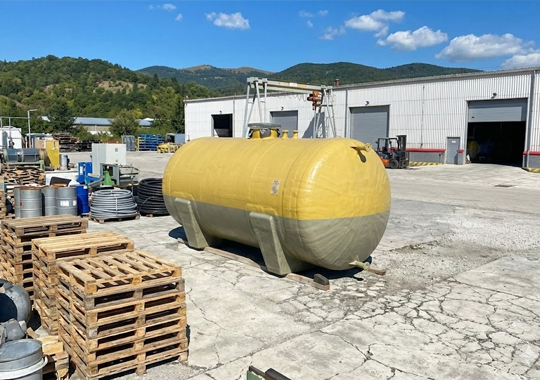
Horizontal acid storage tanks are suitable for locations where height is limited. They are often used for transporting chemicals or storing acids in areas with space restrictions. Their stable design makes them ideal for industrial applications that require easy access and efficient handling.
Underground Acid Storage Tank systems are installed below ground level to save space and protect the stored chemicals from external environmental conditions. These tanks require proper safety measures, leak detection systems, and regular inspections to ensure safe operation.
Double-wall acid storage tanks provide an extra layer of protection by using two separate walls. If the inner tank develops a leak, the outer wall helps contain the chemical and reduces the risk of environmental contamination. These tanks are commonly used for storing hazardous acids where additional safety is required.
Selecting the right Acid Storage Tank depends on the chemical being stored, storage capacity, safety requirements, and industry standards. A properly designed tank helps prevent leaks, improves operational safety, reduces maintenance costs, and provides reliable long-term performance for industrial chemical storage.
Vertical vs Horizontal Tanks
An Acid Storage Tank can be designed in either a vertical or horizontal shape, depending on the storage requirements and available space. Both types are widely used in industries, but each has its own advantages.
Vertical tanks are the most common choice for storing large quantities of acid. They occupy less floor space because they are built upward instead of outward. These tanks are ideal for chemical plants, water treatment facilities, and manufacturing units where space is limited.
Horizontal tanks are designed for locations where height is restricted or where the tank needs to be transported easily. They have a lower center of gravity, which provides better stability during transportation and installation. Horizontal tanks are often used in mobile applications or industrial sites with limited vertical space.
When selecting an Acid Storage Tank, businesses should consider storage capacity, available space, installation requirements, and the type of acid being stored. Choosing the right design improves safety, makes maintenance easier, and ensures reliable long-term performance.
Single Wall vs Double Wall Tanks
Choosing between a single-wall and a double-wall Acid Storage Tank depends on the level of safety required and the type of chemical being stored. Both designs are used in industrial applications, but they provide different levels of protection.
A single-wall tank has one protective layer and is commonly used where the risk of leakage is low and additional containment systems are already available. These tanks are more economical and suitable for many standard industrial storage applications. However, they require regular inspections to ensure they remain in good condition.
A double-wall Acid Storage Tank has two separate walls with a space between them. If the inner wall develops a leak, the outer wall safely contains the chemical and helps prevent spills and environmental contamination.
Although double-wall tanks may have a higher initial cost, they provide better safety, reduce environmental risks, and improve compliance with industrial safety standards. Selecting the right tank type depends on the chemical being stored, site conditions, and the safety requirements of the facility.
Key Features of a Quality Acid Storage Tank
A high-quality Acid Storage Tank is designed to store corrosive chemicals safely while protecting workers, equipment, and the environment. Since industrial acids can damage ordinary containers, a well-designed storage tank must include features that improve safety, durability, and long-term performance.
One of the most important features of an Acid Storage Tank is its corrosion-resistant construction. Tanks made from materials such as FRP, HDPE, polypropylene, or specially lined steel can safely resist chemical attack and provide long-lasting protection.
The correct material should always be selected based on the type and concentration of the acid being stored. A quality tank also has a leak-proof design with strong joints, secure pipe connections, and high-quality seals. This helps prevent chemical leakage and reduces the risk of environmental contamination.
Another important feature is temperature resistance. The tank should be able to withstand the required operating temperature without affecting its strength or chemical resistance. A stable support structure and durable construction also help the tank perform safely under different industrial conditions.
A reliable Acid Storage Tank is easy to inspect, clean, and maintain. Regular maintenance becomes simpler when the tank is designed with smooth internal surfaces and accessible fittings. By selecting a tank with these essential features, industries can improve workplace safety, extend equipment life, and ensure dependable chemical storage for many years.
Corrosion-Resistant Inner Liner
A corrosion-resistant inner liner is one of the most important features of an Acid Storage Tank. Since acids are highly corrosive, they can slowly damage the inside surface of a tank if it is not properly protected. The inner liner acts as a strong barrier between the stored acid and the tank material, preventing corrosion and extending the life of the tank.
The liner is usually made from corrosion-resistant materials such as FRP, HDPE, polypropylene, rubber, or special chemical-resistant coatings. The choice of liner depends on the type of acid, its concentration, and the operating temperature. A properly selected liner helps maintain the quality of the stored chemical while protecting the tank from damage.
A high-quality corrosion-resistant liner also reduces maintenance needs and lowers the chances of leaks or structural failure. Regular inspections help ensure the liner remains in good condition and continues to provide reliable protection. Choosing an Acid Storage Tank with a durable inner liner is a smart way to improve safety, reduce repair costs, and ensure long-term chemical storage.
Leak-Proof Design
A leak-proof design is an essential feature of every Acid Storage Tank. Even a small leak can create serious safety risks, damage equipment, and harm the environment. That is why acid storage tanks are designed with strong joints, secure connections, and high-quality sealing systems to prevent leakage.
Modern tanks are carefully manufactured and tested to ensure they can safely store corrosive chemicals without allowing any escape of liquid. Many tanks also include reinforced walls, reliable outlet fittings, and overflow protection to improve safety during daily operations.
A leak-proof Acid Storage Tank helps protect workers, reduces product loss, and keeps industrial facilities safe. Regular inspections of valves, pipelines, and sealing points further improve reliability and reduce the possibility of unexpected leaks. Investing in a well-designed storage tank helps businesses maintain safe and efficient chemical storage.
Temperature Resistance
Many industrial acids are stored or used under different temperature conditions. For this reason, temperature resistance is an important feature of an Acid Storage Tank. The tank material must be able to handle the required operating temperature without losing its strength or chemical resistance.
Materials such as FRP, HDPE, polypropylene, and specially lined steel are selected based on the type of acid and the expected temperature range. Choosing the correct material helps prevent cracks, deformation, and damage that can occur when tanks are exposed to excessive heat or changing temperatures.
A temperature-resistant Acid Storage Tank provides stable performance and protects both the stored chemical and the storage system. It also reduces maintenance costs by preventing heat-related damage. Before selecting a tank, industries should always consider the operating temperature and consult experts to ensure the tank material is suitable for the intended application.
Industries That Use Acid Storage Tanks
An Acid Storage Tank is an essential part of many industries that handle corrosive chemicals every day. These tanks provide safe storage, reduce the risk of leakage, and protect both workers and equipment. By using the right storage system, industries can improve safety, maintain product quality, and ensure smooth daily operations.
The chemical manufacturing industry is one of the largest users of an Acid Storage Tank. These tanks are used to store acids that are required for producing industrial chemicals, cleaning agents, dyes, and other chemical products. Safe storage helps maintain the quality of the chemicals and prevents accidental spills.
Water and wastewater treatment plants also depend on acid storage tanks to store chemicals used for water purification and pH control. In the pharmaceutical industry, acids are stored safely for manufacturing medicines and laboratory processes where accurate chemical handling is important.
The metal processing and electroplating industries use an Acid Storage Tank for storing acids that are used in metal cleaning, pickling, and surface treatment. Fertilizer manufacturing plants also require acid storage tanks for handling raw materials used during production.
Mining operations, oil and gas industries, paper mills, textile manufacturing units, and food processing companies also use acid storage tanks for different industrial processes. Each industry selects the tank material according to the type of acid, storage capacity, and operating conditions.
A high-quality Acid Storage Tank helps industries reduce maintenance costs, improve workplace safety, and increase the life of their storage systems. With proper installation and regular inspections, these tanks provide reliable and long-lasting chemical storage for a wide range of industrial applications.
Chemical Processing
The chemical processing industry uses many types of acids during manufacturing, mixing, and storage operations. These acids must be stored safely to prevent corrosion, leakage, and workplace hazards. An Acid Storage Tank is specially designed to handle these chemicals and provide reliable protection under demanding industrial conditions.
Chemical plants use acid storage tanks for storing hydrochloric acid, sulphuric acid, nitric acid, phosphoric acid, and many other industrial chemicals. The tanks are made from corrosion-resistant materials such as FRP, HDPE, or polypropylene to ensure long-lasting performance.
Using a high-quality Acid Storage Tank helps protect equipment, reduce maintenance costs, and maintain smooth production. It also improves workplace safety by minimizing the risk of chemical spills and contamination.
Fertilizer Industry
The fertilizer industry depends on acids for producing different types of fertilizers and chemical compounds. Since these acids are highly corrosive, they require safe and durable storage systems. An Acid Storage Tank provides the protection needed to store these chemicals without damaging the tank or affecting product quality.
These tanks are commonly used to store sulphuric acid, phosphoric acid, and other raw materials used during fertilizer production. Their corrosion-resistant construction helps prevent leaks and extends the life of the storage system.
A reliable Acid Storage Tank also supports continuous production by reducing equipment failures and lowering maintenance requirements. This makes it an important part of modern fertilizer manufacturing plants.
Pharmaceutical Industry
The pharmaceutical industry uses acids in medicine production, laboratory testing, cleaning, and chemical processing. Safe chemical storage is essential to maintain product quality and comply with strict industry standards. An Acid Storage Tank helps store these chemicals securely while protecting them from contamination.
The tanks are manufactured using materials that resist corrosion and maintain chemical stability. This helps ensure that the stored acids remain safe for use in different pharmaceutical applications.
By using a high-quality Acid Storage Tank, pharmaceutical companies can improve safety, reduce maintenance costs, and support reliable manufacturing processes. Proper storage also helps maintain the purity of chemicals used in medicine production.
Petrochemical & Refining
Petrochemical plants and oil refineries use acids for cleaning, processing, and refining petroleum products. These industries operate under harsh conditions where chemicals, moisture, and temperature changes can damage ordinary storage systems. An Acid Storage Tank provides dependable protection by safely storing corrosive chemicals.
The tanks are designed to resist chemical attack while maintaining their strength during continuous industrial operations. They help reduce corrosion, prevent leaks, and improve the safety of chemical handling.
Using a durable Acid Storage Tank allows petrochemical and refining industries to protect valuable equipment, reduce downtime, and improve operational efficiency. Proper storage also helps businesses meet industrial safety and environmental standards.
Wastewater Treatment
Wastewater treatment plants use acids for pH control, chemical dosing, and water treatment processes. These chemicals must be stored safely to prevent leaks and protect treatment equipment. An Acid Storage Tank offers a secure and reliable solution for storing these corrosive materials.
The tanks are resistant to moisture, corrosion, and chemical reactions, making them suitable for continuous use in treatment facilities. They also help protect surrounding equipment from damage caused by chemical exposure.
A well-designed Acid Storage Tank improves plant safety, reduces maintenance needs, and supports efficient water treatment operations. With proper installation and regular inspections, these tanks provide long-lasting performance and reliable chemical storage for wastewater treatment facilities.
How to Choose the Right Acid Storage Tank
Selecting the right Acid Storage Tank is important for safe chemical storage and smooth industrial operations. The correct tank not only protects the stored acid but also reduces maintenance costs, prevents leaks, and increases the life of the storage system. Before choosing a tank, businesses should carefully evaluate their storage requirements and the type of acid they handle.
The first step is to identify the type of acid and its concentration. Different acids react differently with storage materials, so the tank should be made from a material that is chemically compatible. FRP, HDPE, polypropylene, and lined steel are commonly used because they provide excellent resistance to corrosion and chemical damage.
Storage capacity is another important factor. An Acid Storage Tank should be large enough to meet production needs without leaving unnecessary unused space. The installation location should also be considered to decide whether a vertical or horizontal tank is the better option.
Temperature and operating conditions also play a major role. Some acids require tanks that can withstand higher temperatures, while others may need additional protective linings. Choosing the correct design helps maintain the strength and safety of the storage system.
Safety features such as leak-proof construction, proper venting, overflow protection, and easy inspection access should never be overlooked. These features help prevent accidents and support safe chemical handling.
Finally, always choose an Acid Storage Tank from a trusted manufacturer that follows industry quality standards. A well-designed tank provides reliable performance, improves workplace safety, reduces repair costs, and ensures long-term protection for industrial chemical storage.
Frequently Asked Questions (FAQs)
1. What is an Acid Storage Tank?
An Acid Storage Tank is a specially designed container used to safely store corrosive acids in industrial applications. It is made from corrosion-resistant materials that help prevent leaks, chemical damage, and contamination.
2. Which materials are commonly used to manufacture an Acid Storage Tank?
An Acid Storage Tank is commonly made from FRP (Fiber Reinforced Plastic), HDPE, LLDPE, polypropylene (PP), or carbon steel with protective linings. The material is selected based on the type of acid and the operating conditions.
3. Which industries use Acid Storage Tanks?
Many industries use an Acid Storage Tank, including chemical processing, fertilizer manufacturing, pharmaceuticals, petrochemical and refining, wastewater treatment, mining, metal processing, and water treatment plants.
4. How do I choose the right Acid Storage Tank?
To choose the right Acid Storage Tank, consider the type of acid, chemical concentration, storage capacity, operating temperature, installation space, and the tank material. Selecting a tank from a trusted manufacturer also helps ensure safety and long-term performance.
5. Are FRP Acid Storage Tanks better than metal tanks?
FRP tanks are widely preferred because they offer excellent corrosion resistance, require low maintenance, are lightweight, and have a long service life. However, the best choice depends on the specific acid and application.
6. How long does an Acid Storage Tank last?
A high-quality Acid Storage Tank can last for many years when it is properly installed, regularly inspected, and maintained according to the manufacturer's recommendations.
7. Why is corrosion resistance important in an Acid Storage Tank?
Corrosion resistance protects the tank from chemical damage, prevents leaks, and extends its service life. It also improves workplace safety and reduces maintenance and repair costs.
8. Does an Acid Storage Tank require regular maintenance?
Yes. Regular inspections, cleaning, and checking valves, fittings, and pipe connections help keep an Acid Storage Tank in good condition. Proper maintenance ensures safe operation and increases the lifespan of the storage system.
Conclusion
An Acid Storage Tank is an essential solution for storing corrosive chemicals safely and efficiently. Choosing the right tank material, design, and capacity helps protect workers, equipment, and the environment from the risks associated with acid storage.
Whether it is used in chemical processing, fertilizer manufacturing, pharmaceuticals, petrochemical plants, or wastewater treatment, a high-quality acid storage tank provides reliable performance and long-term protection.
Investing in a well-designed Acid Storage Tank helps reduce corrosion, prevent leakage, lower maintenance costs, and improve workplace safety. Regular inspections and proper maintenance further increase the lifespan of the tank and ensure smooth industrial operations.
By selecting the right storage solution from a trusted manufacturer, businesses can safely handle corrosive chemicals while improving efficiency, meeting industry standards, and protecting valuable industrial assets for years to come.
Enquire Now